

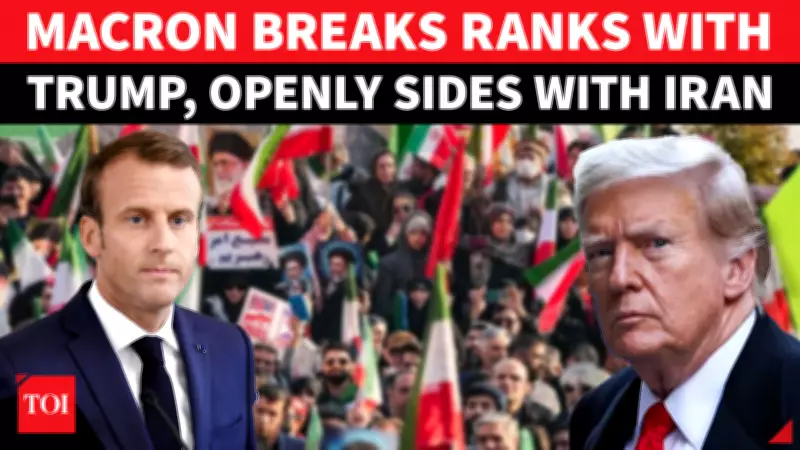
France Openly Challenges US Stance on Lebanon Ceasefire, Aligns with Iran
In a significant diplomatic move that underscores deepening fractures among Western allies, France has publicly diverged from the United States on the management of the Middle East ceasefire. President Emmanuel Macron has explicitly backed calls to expand the ceasefire framework to include Lebanon, directly opposing the positions held by the US and Israel.
Macron's Bold Support for Lebanon's Inclusion
French officials have emphasized that any sustainable broader agreement must halt the ongoing Israeli strikes in Lebanon. This stance represents a clear endorsement of Iran's perspective, as Tehran has long advocated for Lebanon's involvement in regional security discussions. The French warning highlights urgent humanitarian concerns, including widespread displacement and escalating instability on the ground, which Paris argues are exacerbated by continued military operations.
Strategic Warnings and Long-Term Implications
Paris has issued a stark caution that persisting Israeli operations in Lebanon could inadvertently strengthen Hezbollah, the Iran-backed militant group central to the conflict. French analysts contend that such an outcome would fundamentally undermine long-term security objectives in the region, potentially fueling further violence and destabilization. This strategic assessment places France at odds with the Trump administration, which maintains that Lebanon should be treated as a separate front, distinct from the US-Iran ceasefire arrangement.

Widening Rift Among Traditional Allies
The open disagreement marks a notable escalation in tensions between France and the United States, traditionally close allies on global security matters. Macron's defiance of Trump's policy signals a broader realignment in European approaches to Middle East diplomacy, with France positioning itself as a more independent actor willing to challenge American hegemony. This development complicates the already fragile ceasefire efforts, introducing new diplomatic hurdles and highlighting the complex interplay of international interests in the region.
As humanitarian crises deepen and military actions continue, the French intervention adds a critical voice to the debate over Lebanon's future, urging a more inclusive and comprehensive approach to peace that acknowledges the interconnected nature of regional conflicts.






