

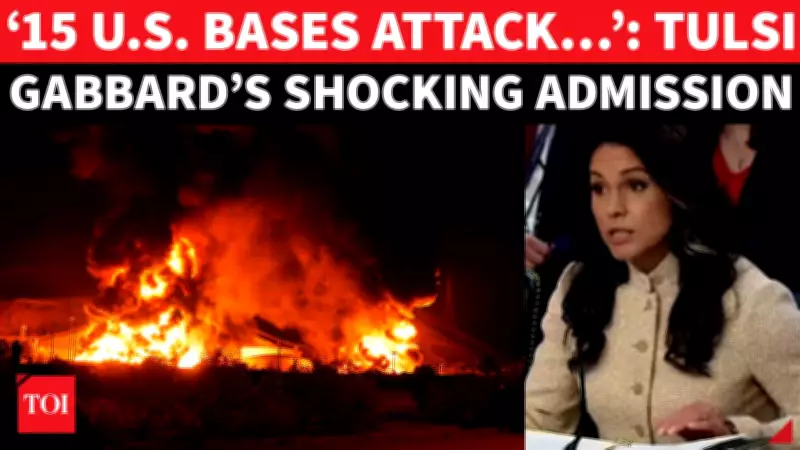
Tulsi Gabbard's Bombshell Iran Statement in Senate Hearing
Tulsi Gabbard, currently serving as the Director of National Intelligence, delivered a significant statement before the Senate Intelligence Committee, highlighting a major shift in her perspective on U.S.-Iran relations. In her testimony, she asserted that recent American military strikes targeting Iran have achieved strategic success, a position that starkly contrasts with her earlier public stance.
From Anti-War Activism to Intelligence Leadership
Back in 2019, Gabbard was known for her vocal opposition to potential conflicts with Iran, even selling "No War With Iran" T-shirts as part of her advocacy. However, in her current role, she emphasized to lawmakers that she was presenting official intelligence assessments rather than personal opinions. This transition underscores the evolving dynamics of her career and the complex nature of intelligence reporting in geopolitical crises.
Iran's Retaliation and Escalating Crisis
Meanwhile, Iran's response to the U.S. strikes has reportedly resulted in severe consequences. According to intelligence reports, the retaliation has led to the deaths of at least 13 American service members and injuries to nearly 200 others. Furthermore, the attacks have disrupted global supply chains, raising widespread fears that the situation could spiral into a broader international conflict. Gabbard's testimony included alarming details, such as the targeting of at least 15 U.S. military bases, highlighting the scale of the escalation.

Broader Implications and Global Concerns
The crisis has sparked intense debate over U.S. foreign policy and military strategy in the Middle East. As tensions mount, experts warn that further retaliation could exacerbate economic instability and threaten regional security. Gabbard's statements serve as a critical reminder of the high stakes involved, with potential ramifications for diplomatic relations and global peace efforts.
In summary, Tulsi Gabbard's Senate appearance marks a pivotal moment in the ongoing U.S.-Iran confrontation, blending intelligence insights with historical context to paint a picture of a rapidly deteriorating situation that demands urgent attention from policymakers worldwide.






