

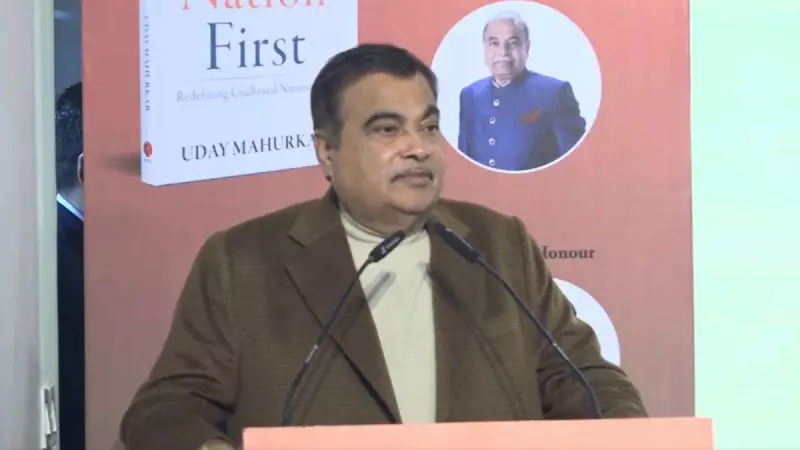
In a startling revelation, Union Minister for Road Transport and Highways, Nitin Gadkari, disclosed that he had a meeting with Hamas's political leader, Ismail Haniyeh, in Iran just one day before Haniyeh was assassinated. The meeting took place during Gadkari's official visit to Tehran for the swearing-in ceremony of Iran's President Masoud Pezeshkian.
The Fateful Meeting in Tehran
Nitin Gadkari shared this information during an interview, stating the encounter occurred on July 30, 2024. The very next day, July 31, 2024, Ismail Haniyeh was killed in a drone strike in Tehran. Israeli authorities have claimed responsibility for the targeted assassination. Gadkari described the meeting as a brief exchange that happened in a hotel where both were staying, emphasizing it was not a scheduled diplomatic engagement but a chance occurrence.
This revelation is significant as it places a senior Indian minister in proximity to a globally contentious figure moments before his death. Gadkari clarified that his visit was solely for the presidential inauguration and his interactions were part of the general diplomatic exchanges that happen at such multilateral events.

Context and Diplomatic Balancing Act
The incident underscores the delicate diplomatic tightrope India walks in the Middle East. India maintains historically strong ties with Israel, a major defense partner, while also nurturing crucial energy and strategic relationships with Iran and other Arab nations. A meeting, however incidental, between an Indian minister and the head of Hamas—a group designated as a terrorist organization by several countries including the US and EU—could potentially complicate these relationships.
Gadkari's account suggests the interaction was informal and brief. However, it has inevitably drawn attention to India's engagements in the region amidst the ongoing Israel-Hamas conflict. The Indian government has consistently called for a peaceful resolution and humanitarian aid for civilians in Gaza, advocating for a two-state solution.
Reactions and Implications
The disclosure has sparked discussions on diplomatic protocols and the unintended intersections of global politics. Analysts point out that such chance meetings at international forums are not uncommon, but their timing in this instance is highly unusual. The focus now is on whether this revelation will prompt any diplomatic queries or statements from the involved nations, particularly Israel.
For India, the episode highlights the complex nature of its foreign policy, where it engages with all sides on different issues. The government has not issued any separate statement beyond Gadkari's personal recollection. The minister himself presented it as a factual anecdote from his travel, without further political commentary.
The key facts remain: Nitin Gadkari was in Iran for President Pezeshkian's inauguration on July 30. He met Ismail Haniyeh that same day. Haniyeh was assassinated in a drone strike in Tehran on July 31. Israel stated it carried out the operation. This sequence of events adds a new, unexpected layer to the geopolitics of the region and India's role within it.






