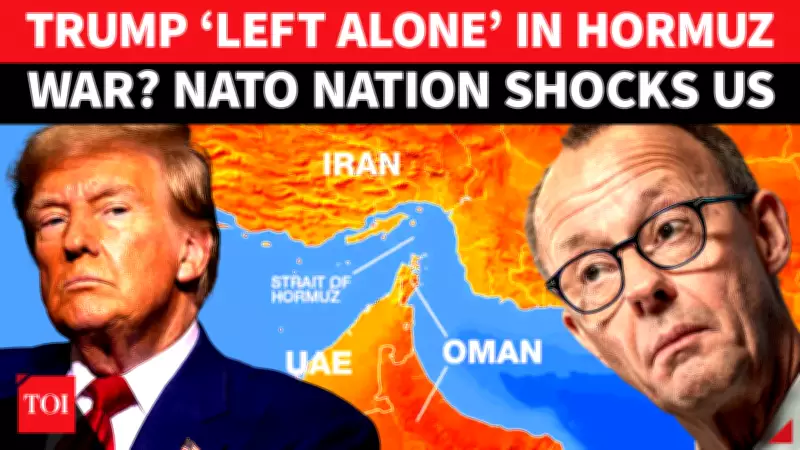
Germany Rejects NATO Involvement in Strait of Hormuz, Leaving Trump Isolated
A significant rift is emerging among Western allies as tensions escalate in the critical Strait of Hormuz. Germany's Foreign Minister Johann Wadephul has issued a firm statement, clarifying that NATO has neither discussed nor sanctioned any role in securing this strategic maritime passage. This declaration directly challenges mounting pressure from US President Donald Trump, who has been urging European partners to intervene in the volatile situation.
Mounting Pressure from Washington
The United States has been actively pushing for European allies to step up their involvement as the conflict involving Iran, the United States, and Israel continues to threaten global shipping through this narrow oil corridor. The Strait of Hormuz serves as a vital artery for approximately one-fifth of the world's oil supply, making any disruption a matter of global economic concern. Washington's calls for assistance come amid heightened military posturing and diplomatic tensions in the region.
Diverging European Positions
While Germany maintains a cautious stance regarding NATO involvement, other European nations are showing different approaches. Denmark has indicated it might consider contributing to maritime security efforts in the area, suggesting a potential willingness to support some form of international presence. This divergence highlights the growing divisions within Europe over how far allies should go in backing US-led initiatives in the Gulf region.

The German position represents a significant diplomatic setback for the Trump administration, which has been seeking to build a united front against Iranian activities in the waterway. Foreign Minister Wadephul's statement effectively isolates the United States within the NATO alliance on this particular issue, at least for the time being.
Broader Implications for Western Unity
This development exposes deeper fractures in transatlantic relations regarding Middle Eastern policy. European nations appear increasingly reluctant to automatically follow Washington's lead in regional conflicts, particularly when it involves potential military engagement. The differing positions between Germany and Denmark suggest that European consensus on security matters in the Gulf is far from guaranteed.
The situation continues to evolve as diplomatic efforts intensify behind the scenes. With global shipping lanes at risk and energy markets potentially vulnerable to disruption, the international community is closely monitoring how this diplomatic standoff between Washington and its European allies will unfold in the coming days and weeks.