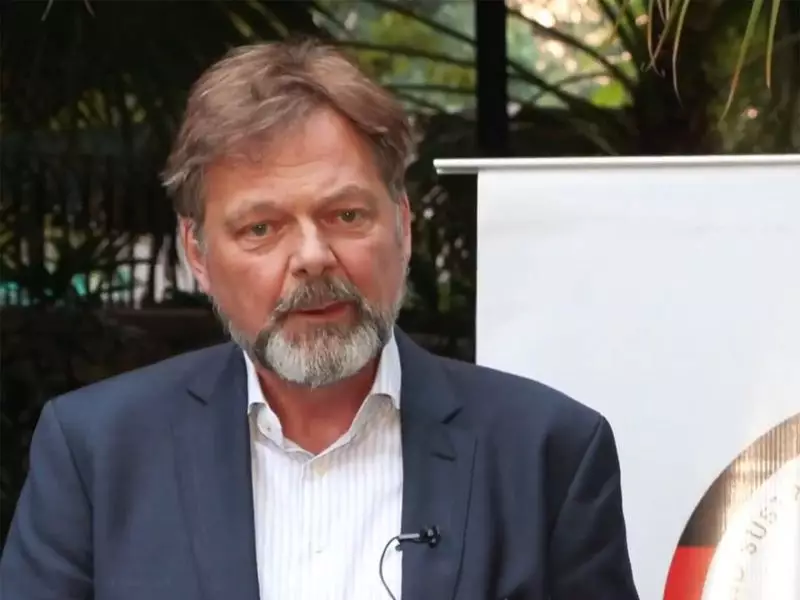
Germany has declared it will be paying close attention to Russian President Vladimir Putin's anticipated visit to India, a move laden with geopolitical significance. The statement was made by Germany's top diplomat in New Delhi, Ambassador Philipp Ackermann, who emphasized the importance of observing the diplomatic engagement between New Delhi and Moscow against the backdrop of the ongoing conflict in Ukraine.
Germany's Stance on Russia-India Ties
Ambassador Philipp Ackermann confirmed that Berlin is keenly aware of the planned visit. While he did not specify an exact date for Putin's trip, he acknowledged its likelihood in the near future. This visit would mark Putin's first journey to India since the full-scale invasion of Ukraine began in February 2022, making it a focal point for international observers.
The German envoy's comments underscore the delicate balance India maintains in its foreign policy. New Delhi shares a long-standing strategic partnership with Moscow, particularly in defense and energy, while simultaneously strengthening its ties with Western nations like Germany and the broader G7 grouping. Ackermann's remarks reflect the West's cautious approach, monitoring the situation without issuing overt criticism of India's independent diplomatic path.

Diplomatic Context and Global Reactions
The potential visit occurs at a time when Western nations have sought to isolate Russia economically and diplomatically. India, however, has consistently called for dialogue and diplomacy to end the Ukraine war and has significantly increased its imports of Russian oil, drawing scrutiny from its Western partners.
Ambassador Ackermann pointed out that Germany understands India's historical and strategic reasons for maintaining relations with Russia. He suggested that the West, including Germany, comprehends the complexities of India's position. The statement indicates a pragmatic diplomatic approach from Berlin, focusing on observation and dialogue with India rather than confrontation, recognizing New Delhi's crucial role in global affairs.
Implications for International Relations
The announcement from the German Ambassador highlights several key points for the international order. Firstly, it confirms that high-level engagement between Russia and India continues despite Western pressure. Secondly, it demonstrates that key Western allies are adopting a measured, watchful stance towards this engagement, acknowledging India's sovereignty in foreign policy decisions.
This development is crucial for understanding the evolving multipolar world. Major powers are navigating relationships with partners who have diverse alliances. India's ability to engage with both Russia and Western blocs like the G7 is a testament to its strategic importance on the world stage. Germany's response, one of close observation rather than outright condemnation, signals a nuanced understanding of this reality.
As the situation develops, the world will indeed be watching Putin's visit closely, just as Germany intends to. The outcomes and statements from such a summit will have significant ripple effects on diplomatic alignments, energy markets, and the broader narrative surrounding the Ukraine conflict.