

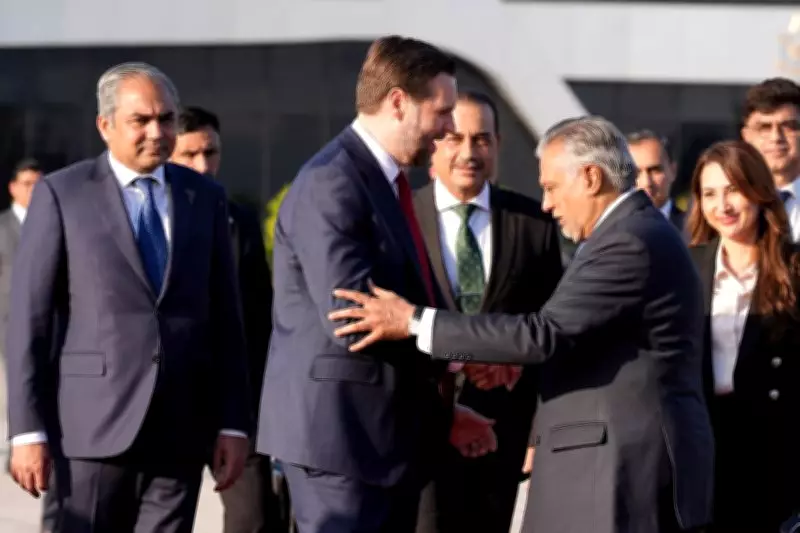
Global Summit Wraps Up: High-Level Talks Conclude, Focus Shifts to Implementation
A significant international summit has recently concluded, bringing together key global leaders and diplomats for a series of high-stakes discussions. The event, marked by intense negotiations and strategic dialogues, aimed to address pressing global challenges and foster cooperation among nations. As the curtains close on this gathering, attention now turns to the practical next steps and the implications for participating countries, with Pakistan's role emerging as a critical point of analysis.
Key Discussions and Outcomes from the Summit
The summit featured a wide array of topics, including economic collaboration, security concerns, and regional stability. Delegates engaged in in-depth talks to find common ground on issues such as trade agreements, climate change initiatives, and counter-terrorism efforts. While specific agreements were reached in some areas, many discussions highlighted the ongoing complexities of international relations, requiring further follow-up actions and sustained engagement.
Notably, the summit provided a platform for diplomatic exchanges that could shape future policies. Participants emphasized the importance of multilateralism and collective action in tackling global crises. However, the lack of concrete resolutions on certain contentious matters has left observers questioning the summit's immediate impact, underscoring the need for continued dialogue and commitment from all sides.

Pakistan's Strategic Position Post-Summit
Pakistan's involvement in the summit has drawn significant attention, given its geopolitical significance and regional influence. During the talks, Pakistani representatives actively participated in sessions related to security, economic development, and regional cooperation. This engagement reflects Pakistan's efforts to assert its role on the global stage and address domestic and international challenges.
However, the summit's outcomes leave Pakistan at a crossroads. On one hand, the country has opportunities to leverage new partnerships and initiatives discussed at the event. On the other hand, unresolved issues and competing interests among global powers could complicate Pakistan's strategic calculations. Experts suggest that Pakistan must now navigate a delicate balance, focusing on practical diplomacy and internal reforms to capitalize on potential benefits while mitigating risks.
What Comes Next: Implementation and Future Prospects
With the summit concluded, the focus shifts to implementation and follow-up measures. Key questions remain about how the discussed plans will be executed and monitored. Stakeholders are calling for transparent mechanisms to ensure accountability and progress, with regular reviews and updates expected in the coming months.
For Pakistan, the path forward involves several critical steps:
- Engaging in bilateral and multilateral talks to solidify agreements made during the summit.
- Addressing domestic issues that affect its international standing, such as economic stability and security concerns.
- Monitoring global developments to adapt strategies and maintain relevance in evolving diplomatic landscapes.
In summary, the summit has set the stage for future actions, but its success will depend on sustained effort and cooperation. Pakistan, like other nations, faces both opportunities and challenges as it moves forward, with its ability to navigate this complex environment being crucial for its future role in global affairs.






