

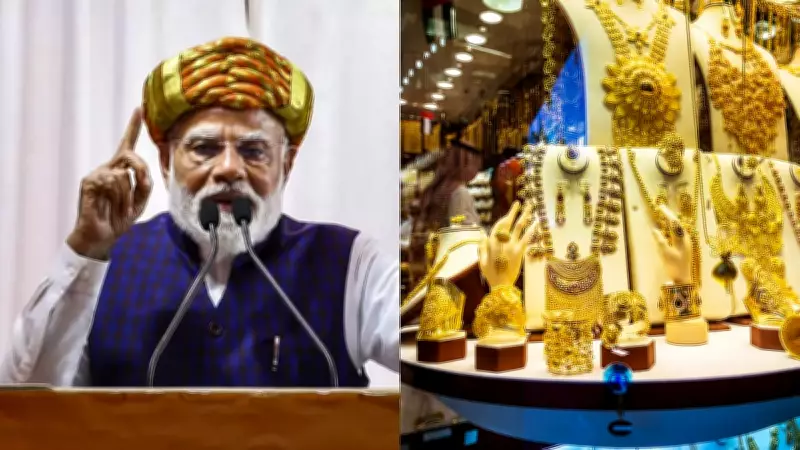
In the midst of a national crisis, the call for unity and sacrifice often begins at the top. For the public to follow the prime minister’s call, political leaders and government officials must lead by example, demonstrating restraint in their own discretionary spending. This is not merely a symbolic gesture but a practical necessity to build trust and solidarity.
The Need for Fiscal Discipline
When a crisis looms, every rupee counts. Discretionary spending by officials—on travel, entertainment, and luxury items—sends the wrong signal. Instead, a voluntary pause on such expenses can redirect funds to critical areas like healthcare, relief, and infrastructure. This act of restraint can inspire similar behavior across society.
Leadership in Action
History shows that moments of crisis are defined by leadership. From wartime rationing to post-disaster rebuilding, leaders who share in the sacrifice earn lasting respect. Today, the call for a golden pause is not about austerity for its own sake but about prioritizing the common good. By cutting non-essential expenses, officials can demonstrate that no one is above the national effort.

Public Trust and Accountability
In an era of heightened scrutiny, fiscal transparency is key. When leaders tighten their belts, it reassures the public that resources are being used wisely. This can help counter cynicism and encourage compliance with broader measures. The golden pause is a chance to rebuild faith in governance.
Conclusion
The crisis demands a collective response. By leading with restraint, political leaders can turn a moment of hardship into an opportunity for unity. The golden pause is not a sacrifice but an investment in the nation’s future.






