

Gulf Analyst Stresses De-escalation and Diplomacy as Regional Imperatives
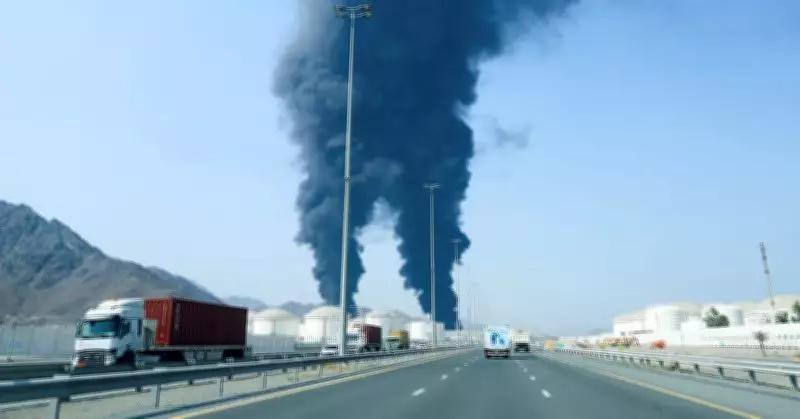
In the wake of escalating tensions in West Asia, a well-informed Gulf-based analyst has underscored that the foremost priority across the Gulf region remains de-escalation and diplomacy. The analyst's comments come as Iran's retaliatory strikes continue to target neighboring areas, including a recent drone attack on Fujairah Port in the United Arab Emirates (UAE).
Details of the Fujairah Port Incident
The analyst confirmed that the Iranian attack on Fujairah Port resulted in a fire caused by falling debris after UAE air defence systems successfully intercepted a drone. Fortunately, no injuries were reported from this specific incident. However, the event starkly highlights the urgent need to prevent any further escalation in a region already fraught with volatility.
According to the analyst, the repeated targeting of the UAE reflects its critical strategic importance in regional commerce, diplomacy, and financial flows, rather than indicating any inherent weakness. The UAE's role as a hub for international trade and finance makes it a focal point in the ongoing conflict.

Broader Regional Instability and Concerns
The analyst pointed out that the wider danger extends far beyond the immediate crisis between Iran and the UAE. The region faces instability from multiple non-state actors and militant groups, including:
- Kataib Hezbollah in Iraq
- Hezbollah in Lebanon
- The Houthis in Yemen
- Muslim Brotherhood-linked Islamist elements in Sudan
- Al-Shabaab in Somalia and the wider Horn of Africa
This complex web of threats underscores that no serious regional actor desires to be drawn into a broader, more destructive conflict. The emphasis, therefore, must remain on diplomatic solutions and de-escalation efforts.
Prime Minister Modi's Potential Diplomatic Role
In this context, the analyst highlighted that Prime Minister Narendra Modi of India is exceptionally well-positioned to play an important mediating role. India maintains strong bilateral relations across the Gulf region, and millions of Indian citizens live and work in Gulf countries, contributing significantly to the local economies.
The analyst emphasized that the need of the hour is to utilize every available diplomatic channel to protect lives and support urgent de-escalation. India's neutral stance and substantial diaspora in the region could provide a unique platform for facilitating dialogue and reducing tensions.
Official Statements and Military Engagements
Earlier, the UAE Ministry of Defence reported that its air defences engaged nine ballistic missiles and thirty-three unmanned aerial vehicles (UAVs) launched from Iran on Friday. Since the onset of what it terms "blatant Iranian aggression," UAE air defences have intercepted:
- 294 ballistic missiles
- 15 cruise missiles
- 1600 UAVs
These attacks have resulted in six fatalities among Emirati, Pakistani, Nepali, and Bangladeshi nationals, and 141 minor to moderate injuries affecting individuals from over twenty-five countries, including India, Egypt, Sudan, and the Philippines.
The UAE Ministry of Defence affirmed its full preparedness to confront any threats, stating it will firmly protect state security, sovereignty, and stability while safeguarding national interests.
Iran's Position and Warnings
Conversely, a spokesperson for Iran's Khatam al-Anbiya Central Headquarters, Ebrahim Zolfaghari, announced that Iran considers it a legitimate right to target origins of US missile launches, which it claims are concealed in Emirati ports, docks, and shelters used by US forces. Zolfaghari warned the UAE leadership that Iran views such strikes as defensive actions to protect its national sovereignty and territorial integrity.
The conflict traces back to a US-Israel led campaign against Iran that began on February 28, with no signs of abatement. Gulf states are increasingly concerned about further escalation and are advocating for a swift diplomatic resolution to prevent a wider regional crisis.

The analyst's insights reinforce that diplomacy, not military confrontation, holds the key to stability in the Gulf, with international figures like PM Modi potentially playing crucial roles in bridging divides and fostering peace.





