

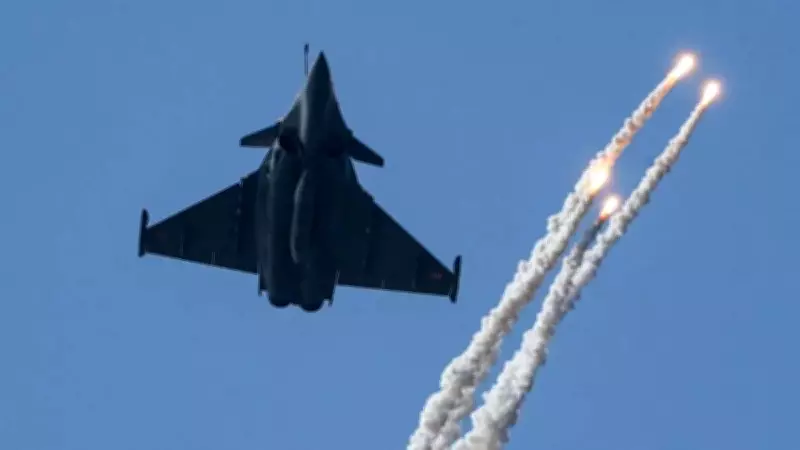
HAL Imposes Penalties on GE Aerospace Over Delayed Tejas Fighter Jet Engines
In a significant development impacting India's defense sector, Hindustan Aeronautics Limited (HAL) has imposed financial penalties on GE Aerospace for delays in delivering engines for the Tejas fighter jets. This move underscores the critical importance of timely execution in defense contracts and highlights the challenges faced in modernizing India's air force capabilities.
Details of the Penalties and Contract Delays
The penalties were levied due to GE Aerospace's failure to meet the scheduled delivery timelines for the engines, which are a vital component of the Tejas Light Combat Aircraft (LCA). The delays have reportedly affected the production and induction schedules of the Tejas jets, a key element in India's efforts to enhance its indigenous defense manufacturing and reduce reliance on foreign imports.
According to sources, the contract between HAL and GE Aerospace involves the supply of F404-GE-IN20 engines, specifically designed for the Tejas Mk1A variant. The delays have prompted HAL to enforce contractual clauses that allow for penalties in cases of non-compliance with delivery schedules. This action is part of HAL's broader strategy to ensure accountability and maintain project timelines in defense procurements.

Impact on India's Defense Modernization
The Tejas fighter jet program is a cornerstone of India's defense modernization plan, aimed at replacing aging aircraft and bolstering the Indian Air Force's combat readiness. Delays in engine deliveries can have cascading effects, including:
- Production Slowdowns: Postponed engine shipments directly hinder the assembly and testing phases of Tejas jets.
- Operational Delays: Induction of new aircraft into the air force is delayed, affecting training and deployment schedules.
- Cost Overruns: Penalties and extended project timelines may lead to increased overall costs for the defense budget.
HAL's imposition of penalties sends a strong message to defense contractors about the necessity of adhering to agreed-upon timelines, especially in high-stakes projects critical to national security.
Broader Implications for Defense Partnerships
This incident highlights the complexities involved in international defense collaborations. GE Aerospace, a major global player in aviation, has been a key partner in India's defense ecosystem, providing engines for various aircraft. The penalties may strain this partnership but also emphasize the need for reliability and efficiency in such strategic alliances.
Experts suggest that this could lead to more stringent contract terms in future defense deals, with greater emphasis on penalty clauses to mitigate risks associated with delays. It also underscores India's growing assertiveness in holding foreign vendors accountable, aligning with the government's 'Make in India' initiative to promote domestic manufacturing and self-reliance in defense.
As HAL and GE Aerospace work to resolve the delays, the focus remains on minimizing disruptions to the Tejas program and ensuring that India's defense modernization goals are met without further setbacks.






