

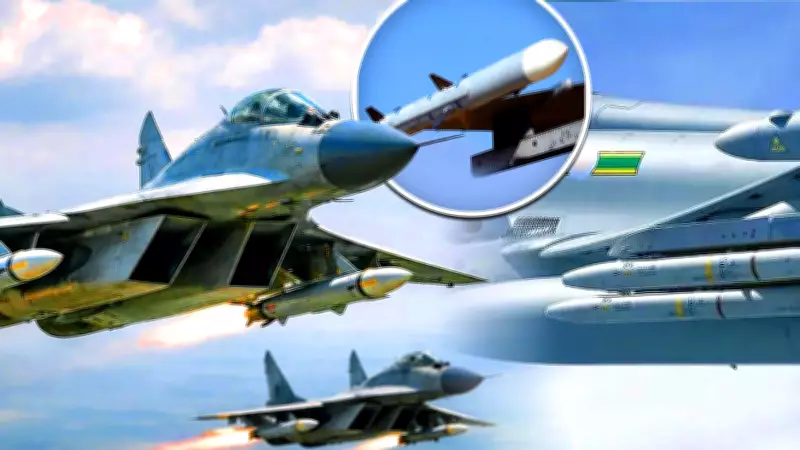
Indian Air Force To Integrate ASRAAM Missiles On MiG-29 Fleet For Enhanced Combat Power
The Indian Air Force is embarking on a significant modernization initiative that will substantially upgrade its aerial combat capabilities. According to recent reports, the IAF has finalized plans to integrate advanced ASRAAM (Advanced Short Range Air-to-Air Missile) systems onto its fleet of MiG-29 fighter jets. This strategic enhancement represents a major technological leap forward for India's air defense infrastructure.
Transforming The MiG-29's Combat Profile
The MiG-29, long celebrated for its exceptional speed and remarkable agility in dogfight scenarios, will receive a formidable boost in operational effectiveness through this integration. The ASRAAM missile system offers superior capabilities compared to older missile platforms currently in service, including significantly extended engagement range, faster target acquisition and lock-on times, and enhanced precision accuracy. This upgrade fundamentally transforms the combat profile of the MiG-29, making it a more lethal and versatile platform in contested airspace.
Adapting To Modern Aerial Warfare Dynamics
This transition from legacy missile systems to the cutting-edge ASRAAM technology reflects the evolving nature of contemporary air combat. Modern aerial engagements increasingly prioritize first-strike capability and maximum pilot flexibility during high-intensity missions. The ASRAAM's sophisticated fire-and-forget technology is particularly crucial in this context. Once launched, the missile autonomously tracks and engages its designated target using its onboard seeker and guidance systems.

This allows IAF pilots to concentrate fully on tactical maneuvering, evasive actions, and managing other threats in the battlespace, rather than maintaining a continuous lock on a single target. The integration addresses a critical need in an era where split-second decisions determine mission success and pilot survival.
Strategic Implications And Indigenous Goals
The missile upgrade carries substantial strategic weight for India's defense posture in a rapidly evolving regional security environment. Neighboring nations are continuously advancing their own air combat technologies, making such enhancements essential for maintaining credible deterrence and operational parity. By equipping the MiG-29 fleet with ASRAAM missiles, the Indian Air Force strengthens its defensive and offensive capabilities, ensuring it remains prepared for any contingency.
Furthermore, this project is backed by collaborative efforts between global defense manufacturers and domestic Indian partners. It aligns perfectly with India's long-term strategic objective of reducing foreign import dependence and fostering a robust, self-reliant indigenous defense ecosystem. The integration work itself will involve significant technology transfer and skill development within India's defense industrial base, contributing to the nation's Atmanirbhar Bharat (Self-Reliant India) vision in the critical defense sector.
In summary, the planned integration of ASRAAM missiles onto the IAF's MiG-29 fleet marks a pivotal step in modernizing India's air power. It enhances immediate combat effectiveness, adapts to contemporary warfare requirements, and supports broader national goals of defense indigenization and strategic autonomy.






