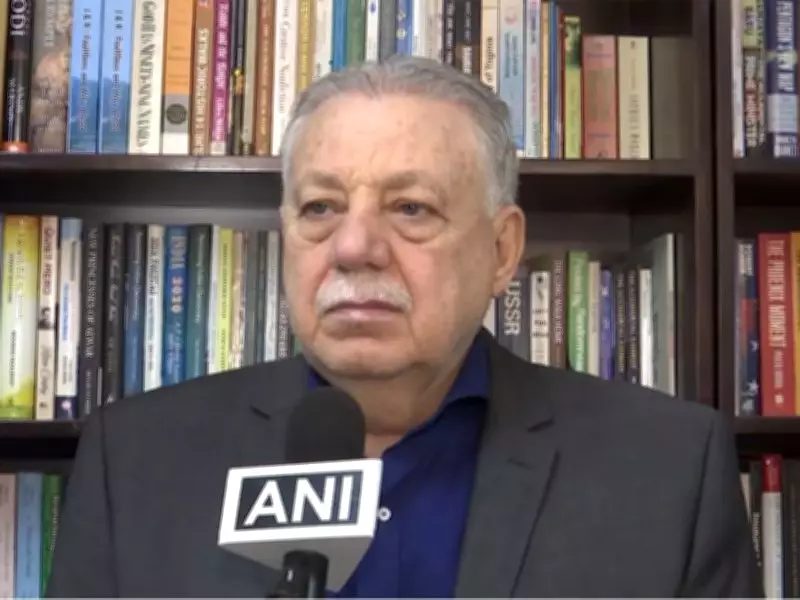
Foreign affairs expert Waiel Awwad has stated that India reacts independently to acts of terrorism, highlighting the country's sovereign approach in dealing with such threats. Awwad, a seasoned analyst, noted that India's responses are crafted based on national interest and strategic considerations, rather than external pressures.
India's Independent Stance on Terrorism
Speaking on the matter, Awwad emphasized that India has consistently demonstrated a policy of independent action when confronting terrorism. He pointed out that India's decisions are not dictated by other nations, but are instead the result of careful assessment of its own security needs and diplomatic objectives.
Awwad elaborated that India's approach involves a combination of diplomatic measures, intelligence sharing, and military options when necessary. This multifaceted strategy ensures that India can respond effectively without compromising its sovereignty.

Key Aspects of India's Counterterrorism Policy
- Sovereign Decision-Making: India retains full autonomy in deciding how and when to respond to terrorist attacks.
- National Interest First: All actions are aligned with India's strategic goals and security requirements.
- Multidimensional Approach: Use of diplomacy, intelligence, and military tools as needed.
Awwad also highlighted that India's independent stance has earned it respect on the global stage. By acting according to its own assessment, India has been able to maintain credibility and effectiveness in its counterterrorism efforts.
He further noted that this policy is consistent with India's broader foreign policy doctrine of strategic autonomy, where the country engages with multiple partners while keeping its own interests paramount.
In conclusion, Awwad asserted that India's independent reaction to terrorism is a testament to its status as a responsible and capable global power, able to protect its citizens and interests without external interference.