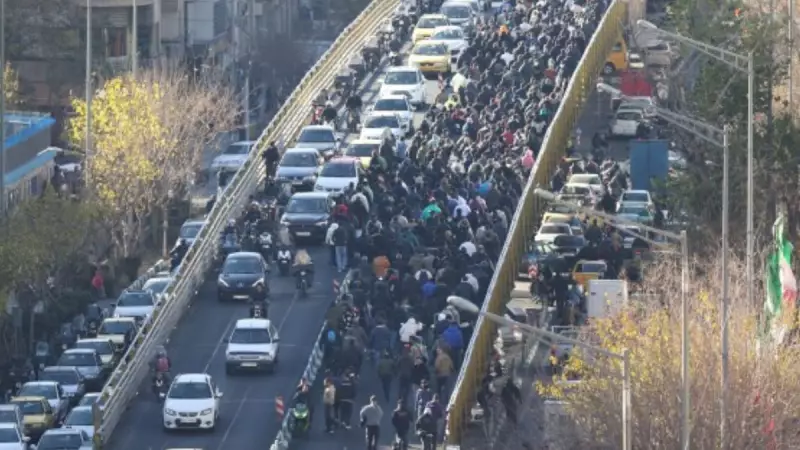
The Indian government has issued a crucial advisory for its citizens concerning travel to Iran. The Ministry of External Affairs (MEA) has strongly recommended that Indian nationals avoid all non-essential travel to the West Asian nation. This advisory comes in response to reports of violent protests and prevailing instability in certain areas of Iran.
Official Advisory and Government Stance
The advisory was formally issued on January 5, 2026. In its statement, the MEA cited the ongoing volatile situation as the primary reason for the caution. The ministry explicitly advised against any travel that is not absolutely necessary. For those Indian citizens who are currently residing in or visiting Iran, the government has urged extreme vigilance and caution.
The official statement emphasized the importance of staying away from areas where protests are occurring and following the instructions issued by local authorities. This move underscores the Indian government's proactive approach to ensuring the safety of its citizens abroad, especially in regions experiencing political or social turmoil.

Context of the Unrest in Iran
The advisory follows reports of widespread and sometimes violent public demonstrations within Iran. While the MEA's notice did not delve into the specific causes of the protests, international media has reported on significant domestic unrest linked to socio-economic and political issues. The situation has led to heightened tensions and security concerns across several Iranian cities.
India maintains significant diplomatic and economic ties with Iran, which makes the safety of Indian expatriates, students, and business travelers a top priority for New Delhi. The advisory is a standard precautionary measure taken by nations when the security environment in a foreign country deteriorates rapidly.
Implications and Recommendations for Indians
The immediate implication of this travel advisory is clear: Indians should postpone holiday, tourist, or casual business visits to Iran until the situation stabilizes. For those whose travel is essential, the MEA has laid out specific guidelines.
Indian nationals in Iran have been asked to register with the Indian Embassy in Tehran. This registration is vital as it allows the embassy to contact them quickly in case of an emergency, provide updates, and coordinate assistance if required. The government has also shared the contact details of the embassy for urgent assistance.
The advisory further recommends that citizens monitor local news closely, avoid large gatherings and protest sites, and keep their travel documents secure. Family members in India with relatives in Iran are also advised to stay in regular contact with them to ensure their well-being.
This development highlights the dynamic nature of international travel and the need for citizens to heed their government's foreign travel advisories. The Indian government has assured that it is closely monitoring the situation in Iran and will update the advisory as circumstances evolve.