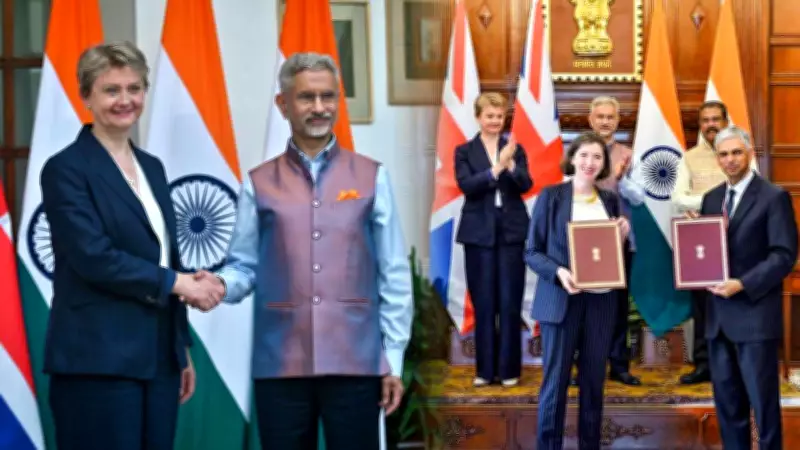
UK Foreign Secretary Yvette Cooper's maiden official visit to India has resulted in significant outcomes across multiple sectors, including trade, technology, defence, education, and maritime security. During the visit, India and the UK reviewed the Vision 2035 roadmap, advanced discussions on the bilateral trade agreement, launched a Critical Minerals Supply Chain Observatory, expanded defence cooperation, and approved a University of Liverpool campus in Bengaluru. The visit underscores the growing strategic importance of India-UK relations.
Key Outcomes of the Visit
The review of the Vision 2035 roadmap highlighted shared goals and milestones for the bilateral partnership. Both sides agreed to accelerate negotiations on a comprehensive Free Trade Agreement (FTA), aiming to boost economic ties. The launch of the Critical Minerals Supply Chain Observatory is expected to enhance cooperation in securing essential minerals for green technologies and defence applications.
Defence and Maritime Security
Defence cooperation was expanded through joint exercises, technology sharing, and enhanced maritime domain awareness. The two nations committed to deeper collaboration in the Indo-Pacific region, focusing on freedom of navigation and counter-piracy efforts.

Education and Innovation
Approval of the University of Liverpool campus in Bengaluru marks a milestone in educational exchanges, promoting research and student mobility. This initiative aligns with India's National Education Policy 2020 and strengthens academic ties between the two countries.
Strategic Significance
Yvette Cooper's visit reflects the UK's commitment to strengthening ties with India post-Brexit, as both nations seek to diversify partnerships in the face of global challenges. The agreements are expected to create jobs, foster innovation, and enhance security cooperation.