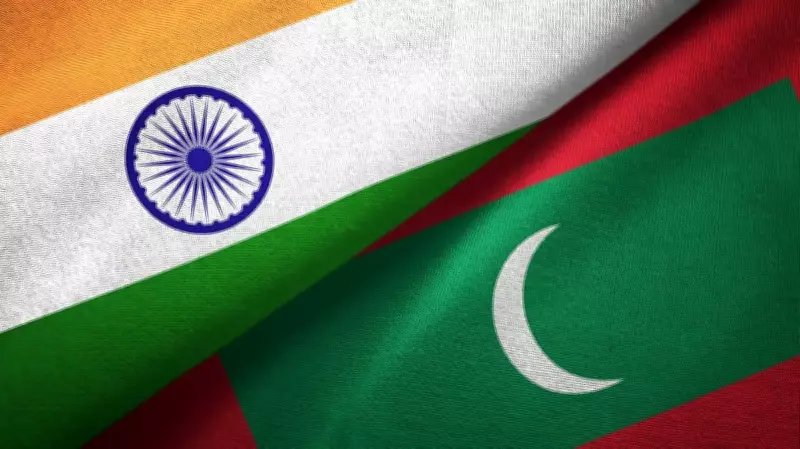
India Grants Export Permission for Essential Commodities to Maldives for 2026-27
In a significant move to bolster diplomatic and economic relations, the Government of India has officially approved the export of essential commodities to the Republic of Maldives for the fiscal year 2026-27. This decision underscores India's commitment to supporting its neighbor's food security and strengthening bilateral trade partnerships in the Indian Ocean region.
Details of the Approved Export Commodities
The export authorization covers a range of critical food items that are vital for the daily sustenance of the Maldivian population. According to official notifications, the permitted commodities include:
- Rice: A staple food in the Maldives, with specific quotas allocated to ensure stable supply.
- Wheat Flour: Essential for baking and culinary needs, supporting local food industries.
- Sugar: Key for household consumption and food processing sectors.
- Onions: A crucial ingredient in Maldivian cuisine, often in short supply domestically.
This export permission is part of a longstanding bilateral agreement between India and the Maldives, which has been renewed periodically to address the island nation's dependency on imports for basic necessities. The approval for 2026-27 follows similar arrangements in previous years, highlighting the continuity and reliability of India as a trade partner.

Strategic and Economic Implications
The decision to allow these exports carries profound strategic and economic implications for both countries. For the Maldives, it ensures a steady flow of essential goods, mitigating risks of food shortages and price volatility. This is particularly crucial given the nation's limited agricultural capacity and reliance on external sources for sustenance.
For India, this move reinforces its role as a key regional player committed to fostering stability and cooperation. By facilitating these exports, India not only supports the Maldivian economy but also strengthens diplomatic ties, countering potential influences from other global powers in the region. The trade arrangement is expected to boost India's export revenues while promoting goodwill and mutual trust.
Experts note that such agreements are vital for maintaining food security in small island nations like the Maldives, where climate change and logistical challenges can disrupt supply chains. The timely approval for 2026-27 allows both governments to plan ahead, ensuring smooth trade operations and minimizing disruptions.
Background and Future Prospects
India and the Maldives have shared a robust trade relationship for decades, with India often being one of the top exporters of essential commodities to the archipelago. This latest approval is consistent with past practices, where India has periodically reviewed and renewed export quotas based on the Maldives' needs and India's domestic production capacities.
Looking ahead, the arrangement for 2026-27 sets a positive precedent for future collaborations. It opens avenues for expanding trade to include other goods and services, potentially enhancing economic integration between the two nations. Both countries are likely to engage in further discussions to optimize trade terms and explore new areas of cooperation, such as technology transfer and infrastructure development.
In conclusion, India's permission for essential commodities exports to the Maldives for 2026-27 is a testament to the enduring partnership between the two nations. It highlights India's proactive approach in addressing regional needs while advancing its strategic interests, paving the way for sustained economic and diplomatic engagement in the years to come.