India and Bangladesh Forge Stronger Energy Ties in Key Diplomatic Engagement
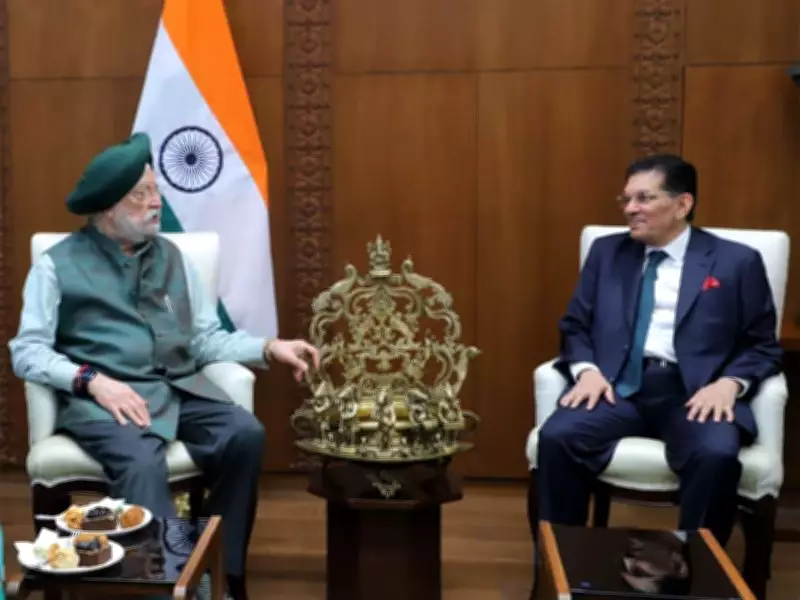
In a significant development aimed at bolstering regional energy security, Union Minister for Petroleum and Natural Gas, Hardeep Singh Puri, held a productive meeting with Bangladesh's Foreign Minister, Khalilur Rahman. The high-level discussions centered on enhancing bilateral cooperation in the energy sector, marking a pivotal step towards strengthening the strategic partnership between the two neighboring nations.
Focus on Sustainable Energy Solutions and Mutual Growth
The ministers engaged in detailed talks covering a wide array of energy-related initiatives, with a strong emphasis on sustainable development and economic growth. Key areas of discussion included:
- Renewable Energy Projects: Exploring collaborative ventures in solar, wind, and hydroelectric power to diversify the energy mix and reduce carbon footprints.
- Natural Gas and Petroleum: Discussing potential partnerships in the exploration, production, and distribution of natural gas and petroleum resources to ensure energy stability.
- Infrastructure Development: Planning joint efforts to build and upgrade energy infrastructure, such as pipelines and storage facilities, to enhance efficiency and reliability.
- Technology Exchange: Sharing expertise and technological advancements in energy conservation and clean energy solutions to foster innovation.
This meeting underscores the commitment of both countries to address energy challenges through cooperative frameworks, leveraging their geographical proximity and historical ties.

Implications for Regional Energy Security and Economic Collaboration
The discussions are expected to have far-reaching implications for the South Asian region, particularly in terms of energy security and economic integration. By deepening energy cooperation, India and Bangladesh aim to:
- Reduce Dependency on Imports: Enhance self-sufficiency in energy production to mitigate risks associated with global market fluctuations.
- Promote Trade and Investment: Create new opportunities for cross-border investments in the energy sector, boosting economic growth and job creation.
- Support Climate Goals: Align with international commitments to combat climate change by adopting greener energy practices and reducing greenhouse gas emissions.
- Strengthen Diplomatic Relations: Use energy cooperation as a cornerstone for broader bilateral engagement, fostering peace and stability in the region.
Union Minister Hardeep Singh Puri highlighted the importance of such collaborations in achieving energy independence, while Foreign Minister Khalilur Rahman expressed optimism about the potential benefits for Bangladesh's energy landscape.
Future Prospects and Ongoing Initiatives
Looking ahead, both ministers agreed to establish working groups to monitor progress and implement agreed-upon projects. This includes regular follow-up meetings and joint assessments to ensure timely execution of energy initiatives. The meeting builds on existing partnerships, such as the India-Bangladesh Friendship Pipeline and cross-border electricity trade, which have already demonstrated positive outcomes.
In conclusion, the ministerial talks represent a forward-looking approach to energy cooperation, with a focus on innovation, sustainability, and mutual prosperity. As both nations navigate the complexities of global energy dynamics, this collaboration is poised to set a benchmark for regional cooperation in the energy sector.