

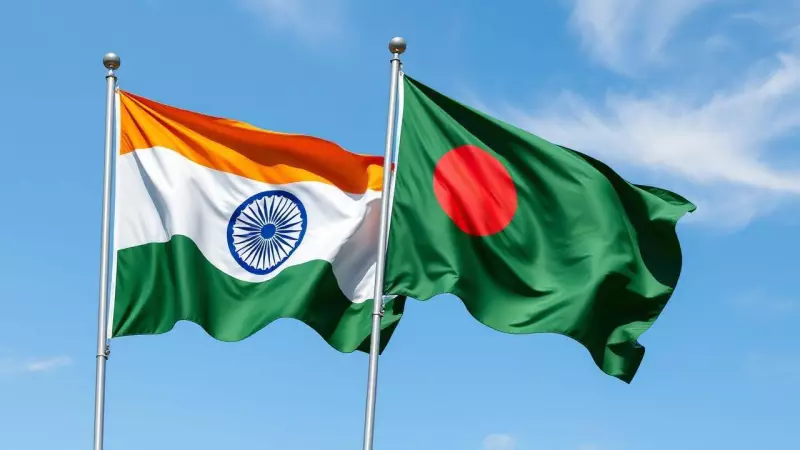
In a significant diplomatic move, India and Bangladesh have officially commenced discussions on renewing the pivotal Ganges Water Sharing Treaty. This landmark agreement, which was signed three decades ago, is scheduled to expire in December 2026. Officials from both neighboring countries confirmed the start of the renewal process, marking a critical step in managing their shared water resources.
Joint Measurements Signal Collaborative Start
The renewal process began with a tangible, on-ground action. On Thursday, teams from India and Bangladesh initiated the simultaneous measurement of water levels in the Ganga and Padma rivers. This collaborative exercise is not a one-time event; officials stated that measurements will be recorded every 10 days until May 31. This data collection is foundational for informed and equitable negotiations on the treaty's future terms.
Technical Teams Exchange Visits
The technical groundwork is being laid by expert teams from both nations. Representing India's Central Water Commission (CWC), deputy director Saurabh Kumar and assistant director Sunny Arora are currently in Bangladesh. In a reciprocal arrangement, a four-member Bangladeshi technical team is stationed in India. This exchange underscores the cooperative spirit of the talks.

Security and Significance of the Treaty
The importance of these discussions is reflected in the high-level attention to detail. Senior Bangladesh water resource ministry official Shibber Hossain emphasized that "special attention" is being given to the security of the visiting Indian delegation. The original treaty, signed in 1996, has been a cornerstone of bilateral relations, governing the sharing of the Ganges waters at the Farakka Barrage. Its renewal is vital for water security, agriculture, and livelihoods in both countries, particularly for Bangladesh's downstream regions.
The commencement of these talks well before the 2026 deadline is seen as a positive indicator of both governments' commitment to a smooth and mutually beneficial renewal process. The outcome will have long-term implications for regional stability and cooperation.






