India and Brazil Seal Strategic Rare Earths Agreement to Strengthen Supply Chains
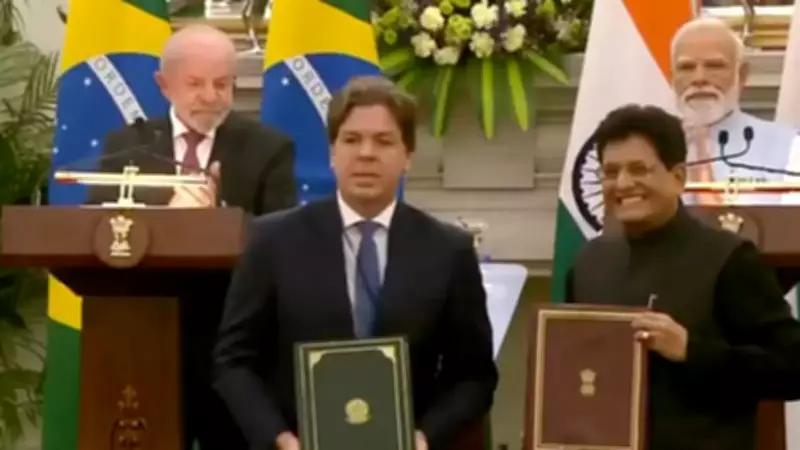
In a significant move to enhance global supply chain resilience, India and Brazil have officially signed a comprehensive memorandum of understanding (MoU) focused on critical minerals and rare earth elements. The landmark agreement was finalized during high-level talks between Indian Prime Minister Narendra Modi and Brazilian President Luiz Inacio Lula da Silva in New Delhi, marking a pivotal moment in bilateral relations between the two major economies.
Modi Hails Agreement as 'Major Step' Toward Strategic Independence
Prime Minister Narendra Modi characterized the newly inked agreement as a "major step" toward fortifying supply chains and deepening defense cooperation between India and Brazil. He emphasized that this partnership reflects a profound level of mutual trust and strategic alignment, highlighting how both nations are proactively working to reduce vulnerabilities in essential mineral supplies that are crucial for modern technology and national security.
"This agreement strengthens our supply chains and defense cooperation, reflecting the mutual trust and strategic alignment between our nations," Modi stated during the announcement. The Indian leader's comments underscore the growing importance of diversifying sources of critical minerals away from traditional suppliers, particularly China, which currently dominates the global rare earths market.

Brazil's Vast Mineral Reserves Meet India's Strategic Needs
Brazil brings substantial mineral wealth to this partnership, possessing the world's second-largest reserves of critical minerals. These resources are essential components in numerous advanced technologies, including electric vehicle batteries, solar panels, wind turbines, and sophisticated defense equipment. For India, which has been actively seeking to expand its domestic production capabilities while simultaneously exploring new international suppliers, Brazil represents an ideal strategic partner.
President Lula described the pact as a crucial step toward advancing renewable energy initiatives and fostering greater cooperation in the critical minerals sector. "This agreement represents our shared commitment to sustainable development and energy security," Lula remarked, noting how the partnership aligns with both nations' environmental and economic objectives.
Comprehensive Bilateral Cooperation Beyond Minerals
The rare earths agreement forms just one component of a broader suite of cooperative measures between India and Brazil. In total, nine additional agreements were signed during the bilateral meetings, covering diverse sectors including:
- Digital transformation and technology sharing
- Healthcare collaboration and pharmaceutical partnerships
- Entrepreneurship development and startup ecosystems
- Educational exchanges and research cooperation
- Agricultural technology and food security initiatives
Both nations have established an ambitious target of exceeding $20 billion in bilateral trade within the next five years, representing a substantial increase from current levels. This comprehensive approach to partnership demonstrates how India and Brazil are building a multifaceted relationship that extends well beyond mineral resources to encompass the full spectrum of economic and strategic cooperation.
Strategic Implications for Global Supply Chains
The India-Brazil rare earths partnership carries significant implications for global supply chain dynamics, particularly in the context of increasing geopolitical tensions and the ongoing global transition toward renewable energy. By creating an alternative supply route for critical minerals, both nations are contributing to:

- Reduced dependence on single-source suppliers, particularly China
- Enhanced security for defense manufacturing capabilities
- Accelerated adoption of electric vehicles and renewable energy technologies
- Greater price stability in critical mineral markets
- Strengthened South-South cooperation between major developing economies
This strategic alignment between India and Brazil represents a calculated response to the evolving global economic landscape, where access to critical minerals has become increasingly intertwined with national security concerns and technological advancement. As both nations continue to expand their cooperation, the partnership is expected to yield significant benefits for their respective economies while contributing to greater stability in global supply chains for essential materials.