

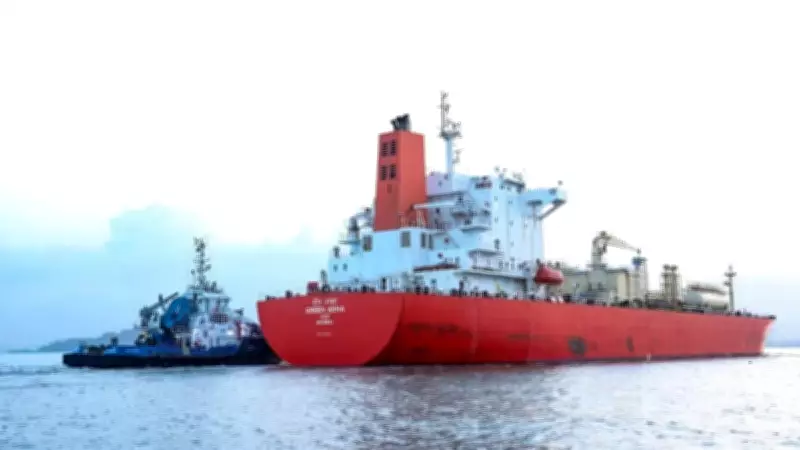
India Takes Action to Repatriate 15 Vessels from Strait of Hormuz Amid Escalating Regional Tensions
The Indian government has launched a critical operation to bring back 15 Indian vessels currently stationed in the Strait of Hormuz, a strategic maritime chokepoint, as tensions in the region continue to rise. This move underscores India's proactive stance in safeguarding its maritime interests and ensuring the safety of its commercial and naval assets.
Government's Strategic Response to Maritime Threats
In response to the escalating geopolitical tensions, Indian authorities have activated contingency plans to facilitate the safe return of these vessels. The Strait of Hormuz, a vital waterway for global oil shipments, has become a hotspot for regional conflicts, prompting India to prioritize the security of its maritime operations. The government's efforts include coordination with international partners and enhanced naval surveillance to monitor the situation closely.
Key aspects of the government's strategy include:

- Enhanced diplomatic engagements with countries in the region to ensure safe passage for Indian vessels.
- Deployment of naval assets to provide escort and protection if necessary.
- Regular updates and advisories to shipping companies regarding security protocols.
Impact on India's Maritime and Economic Interests
The presence of 15 Indian vessels in the Strait of Hormuz highlights India's significant stake in this crucial maritime route, which handles a substantial portion of the world's oil exports. Rising tensions pose risks to trade and energy security, making the government's intervention timely and essential. By moving to bring these vessels back, India aims to mitigate potential disruptions to its economy and maintain stability in its maritime trade routes.
This situation has broader implications:
- It underscores the importance of maritime security in India's foreign policy.
- It reflects India's growing role in global maritime affairs amid regional instability.
- It highlights the need for robust contingency planning in volatile regions.
Latest Updates and Future Outlook
As of the latest reports, the Indian government is actively monitoring the situation and providing real-time support to the affected vessels. The operation to bring them back is underway, with authorities emphasizing a swift and secure process. This incident serves as a reminder of the ongoing challenges in maritime security and India's commitment to protecting its assets abroad.
Looking ahead, India is likely to strengthen its maritime defense capabilities and deepen collaborations with international bodies to address such threats. The successful repatriation of these vessels will be a testament to India's strategic preparedness and its ability to navigate complex geopolitical landscapes.






