

India-China Border Trade via Lipulekh Pass to Resume in June After Six-Year Suspension
The historic border trade between India and China through the Lipulekh Pass in Pithoragarh district is poised to recommence this year in June, marking the end of a six-year hiatus. This crucial trade route, which had been suspended since 2020 primarily due to the Covid-19 pandemic, is now being revitalized following official notifications from the Ministry of External Affairs to the Pithoragarh district administration.
Preparations Underway for Trading Season
Pithoragarh District Magistrate Ashish Kumar Bhatgai has convened a meeting with all concerned departments to initiate comprehensive preparations for the resumption. According to Bhatgai, the trading season is scheduled to run from June to September, with a potential extension contingent on favorable weather conditions. He emphasized that the number of traders and the overall trade volume are anticipated to increase significantly this year.
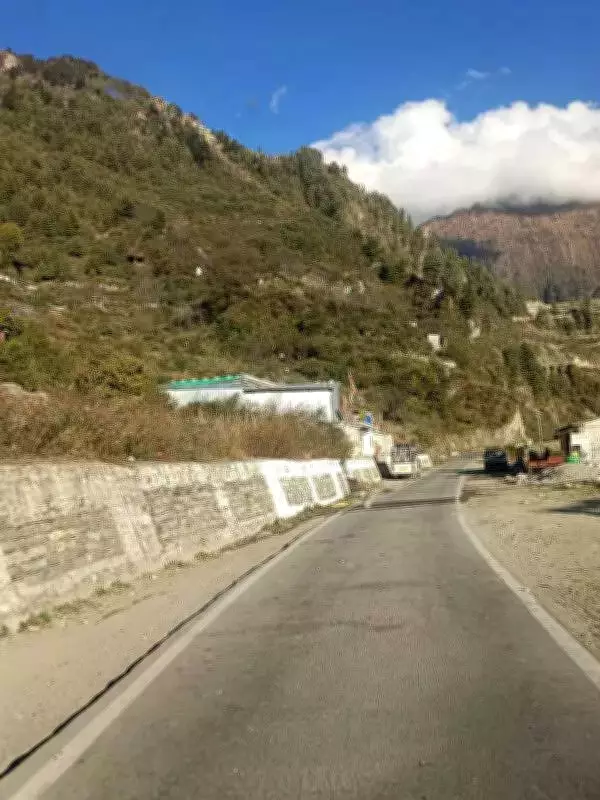
A key factor driving this optimism is the completion of a motorable road to Lipulekh in 2020, which replaces the traditional method of transporting goods via mules and sheep. This enhanced road connectivity is expected to substantially reduce travel time and lower transportation costs, thereby boosting trade efficiency.

Historical Context and Geopolitical Significance
Border trade through Himalayan passes in this region boasts a long history but was initially closed following the 1962 India-China war. It was reopened at Lipulekh in 1992 and continued uninterrupted until 2019, before being halted again due to the pandemic. Local traders have persistently advocated for the route's reopening, and with the Kailash Mansarovar yatra restarting last year via Lipulekh after a five-year pandemic-induced pause, trade is now set to follow suit.
Analysts highlight that the decision to restart trade through this route carries considerable geopolitical weight, as jurisdiction over the area has been a source of escalating tensions between India and Nepal in recent years. Nepal maintains claims over the southern side of the Lipulekh pass, along with the Kalapani and Limpiyadhura areas, which have remained under Indian administration since the British era.
Tensions with Nepal and Recent Developments
Tensions flared after Defence Minister Rajnath Singh inaugurated a new 80-km road connecting Dharchula in Uttarakhand to Lipulekh Pass in May 2020. This route, originating from Ghatiabagarh, was designed to significantly ease travel for Kailash–Mansarovar pilgrims by eliminating a difficult high-altitude trek. However, Nepal objected, asserting that the road passed through its territory.
In response, Nepal released a new political map depicting Lipulekh, Limpiyadhura, and Kalapani within its borders, which was unanimously approved by its parliament. Further escalating the dispute, under former Prime Minister KP Sharma Oli, Nepal's central bank unveiled new Rs 100 currency notes featuring the revised national map in November last year. Nepal has also consistently opposed the restart of trade through the Lipulekh route.
Despite these objections, a recent political shift in Nepal may influence future dynamics. In landmark elections held on March 5, necessitated by the Gen Z uprising last year, the Rastriya Swatantra Party (RSP), led by rapper and former Kathmandu mayor Balendra Shah, secured a clear majority according to final results.
Logistical Arrangements and Infrastructure
District Magistrate Bhatgai has directed officials to coordinate with the State Bank of India (SBI), Customs, police, and BSNL to ensure all necessary arrangements are in place at the Indian trade market in Gunji. He stressed that all essential infrastructure must be completed before June to facilitate a smooth trading season.
SDM (Dharchula) Ashish Joshi confirmed that trade passes will be issued following established procedures, allowing traders and their helpers ample time to apply. The Lipulekh Pass, situated at an elevation of 17,500 feet, serves as a vital border crossing between India and Tibet. Located near the Tibetan town of Taklakot (Purang), it has historically been utilized by traders, pilgrims, and mendicants traveling between the two regions, including those undertaking the revered Kailash–Mansarovar pilgrimage.

The resumption of trade through this pass not only revitalizes economic exchanges but also underscores the enduring cultural and religious connections between India and Tibet, despite the complex geopolitical landscape.





