

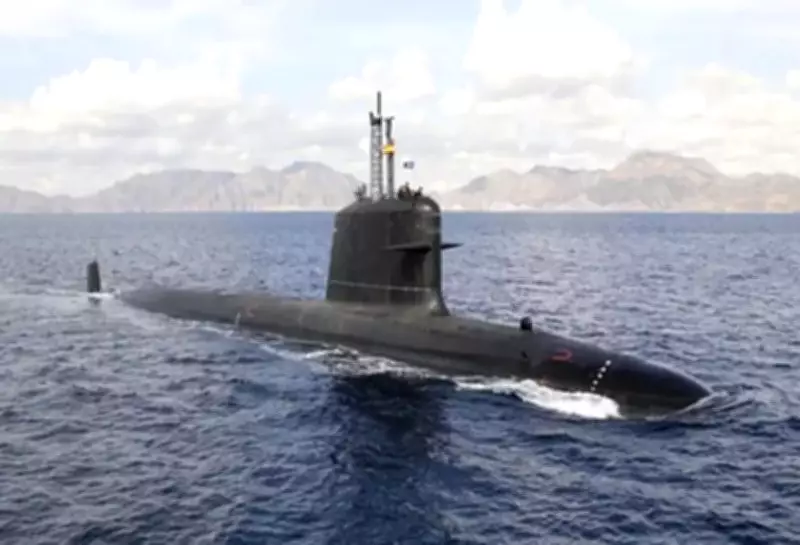
India Commissions Third Nuclear Submarine Aridaman, Boosting Second-Strike Power
In a significant stride for its naval capabilities, India has officially commissioned its third nuclear-powered ballistic missile submarine, the INS Aridaman. This landmark event marks a crucial enhancement to the nation's second-strike power, reinforcing its strategic deterrence posture in the Indian Ocean region and beyond.
Strategic Significance of INS Aridaman
The commissioning of INS Aridaman represents a pivotal moment in India's defence modernization efforts. As a nuclear-powered submarine equipped with ballistic missiles, it plays a vital role in ensuring a credible second-strike capability. This means that even in the event of a devastating first attack, India retains the ability to launch a retaliatory nuclear strike, thereby deterring potential adversaries from initiating conflict.
The submarine is part of India's indigenous Arihant-class program, which underscores the country's growing self-reliance in advanced defence technologies. With the addition of Aridaman, India now operates a triad of nuclear delivery systems—land-based missiles, aircraft, and sea-based assets—bolstering its overall nuclear deterrence strategy.

Enhancing Naval Deterrence in the Indian Ocean
The deployment of INS Aridaman significantly strengthens India's naval presence in the Indian Ocean, a region of immense strategic importance. This submarine enhances the Indian Navy's ability to conduct stealth operations, providing a formidable underwater platform that can remain submerged for extended periods without detection.
This capability is critical for maintaining maritime security and countering potential threats in the region. By bolstering its second-strike power, India sends a clear message about its commitment to safeguarding national interests and contributing to regional stability.
Technical Advancements and Future Implications
INS Aridaman incorporates advanced technologies that improve its operational efficiency and survivability. Key features include:
- Enhanced stealth capabilities for reduced acoustic signature
- Improved missile systems with greater range and accuracy
- Advanced nuclear propulsion for extended endurance
Looking ahead, the commissioning of Aridaman sets the stage for further expansions in India's nuclear submarine fleet. It reflects ongoing efforts to modernize the armed forces and adapt to evolving security challenges, positioning India as a key player in global defence dynamics.
In summary, the commissioning of INS Aridaman is a testament to India's growing defence prowess and strategic autonomy. By boosting its second-strike power, India not only enhances its national security but also reinforces its role as a responsible nuclear power committed to regional peace and stability.






