

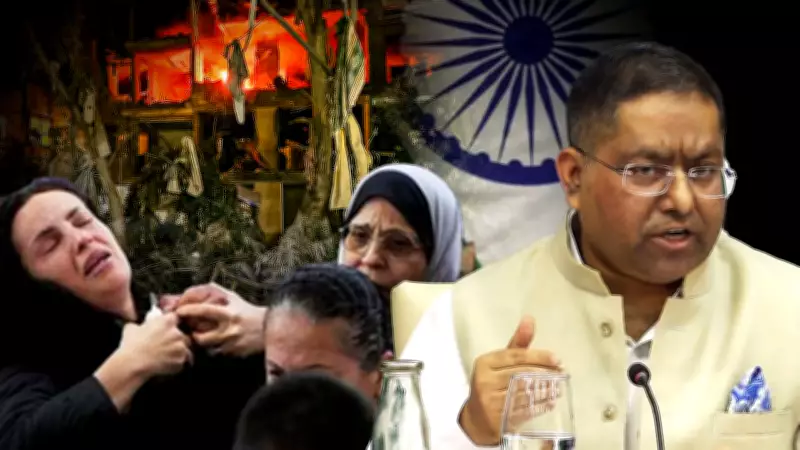
India Issues Diplomatic Statement on Lebanon Violence, Refrains from Naming Israel
In a significant diplomatic move, India has expressed deep concern over the escalating violence in Lebanon, particularly highlighting the tragic civilian casualties. The carefully crafted statement, delivered by official spokesperson Randhir Jaiswal, emphasizes the urgent need to protect innocent lives and uphold international humanitarian law.
Escalating Conflict and India's Strategic Position
The conflict in Lebanon has intensified dramatically following rocket attacks launched by Hezbollah, which prompted large-scale retaliatory strikes by Israel. These military actions have resulted in substantial loss of life and widespread displacement of civilians, creating a severe humanitarian crisis in the region.
India's statement notably avoids directly naming Israel, reflecting the country's delicate diplomatic balancing act. This approach allows New Delhi to express humanitarian concerns while preserving its strategic relationships with key nations in the Middle East.

Monitoring Developments and Citizen Safety
The Indian government is closely monitoring the rapidly evolving situation in Lebanon, with particular attention to the safety and security of Indian citizens in the region. Diplomatic channels remain active as officials assess the impact of the conflict on the Indian diaspora.
India has initiated diplomatic outreach to several Middle Eastern nations, including Qatar and the United Arab Emirates. These discussions focus on multiple critical areas:
- Regional stability and security concerns
- Energy security implications
- Humanitarian assistance coordination
- Pathways toward de-escalation
Diplomatic Tightrope and Regional Implications
India's response demonstrates the complex diplomatic tightrope the nation must walk in international conflicts. By condemning bloodshed and civilian casualties without directly attributing blame to specific actors, India maintains its position as a responsible global player while avoiding direct confrontation with strategic partners.
The statement reflects India's broader foreign policy approach of maintaining balanced relationships across the Middle East while advocating for peace and stability. This becomes particularly crucial as the conflict threatens to destabilize the region further and impact global energy markets.
As the situation continues to develop, India's diplomatic stance will likely evolve based on several factors:
- The progression of military actions in Lebanon
- Humanitarian impact on civilian populations
- Regional diplomatic developments
- Implications for Indian strategic interests
The carefully worded statement serves as both a humanitarian appeal and a diplomatic signal, positioning India as concerned about regional stability while maintaining its strategic autonomy in international affairs.






