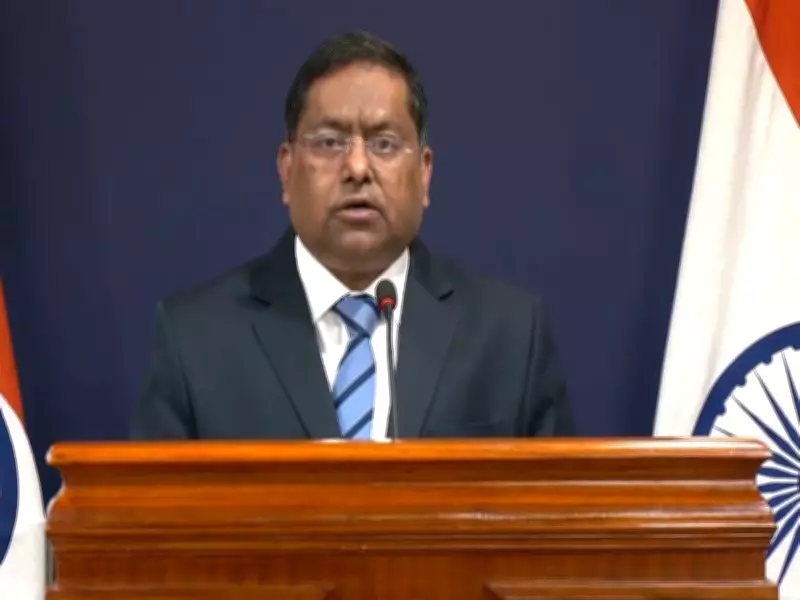
India Issues Firm Condemnation of Pakistan's Airstrikes in Afghanistan
India has delivered a robust and unequivocal condemnation of Pakistan's recent military airstrikes on Afghan territory, denouncing the actions as a blatant violation of Afghanistan's sovereignty and territorial integrity. The Indian government, through official channels, expressed deep concern over the escalation of violence in the region, which threatens to destabilize an already fragile security environment.
Details of the Airstrikes and Regional Implications
According to reports, the airstrikes conducted by Pakistan targeted areas within Afghanistan, leading to significant diplomatic tensions between the two neighboring countries. India's statement emphasized the need for all nations to respect international borders and adhere to principles of non-interference in the internal affairs of sovereign states. This incident underscores the ongoing geopolitical complexities in South Asia, where historical rivalries and security concerns frequently intersect.
The Indian response highlighted several key points:

- Violation of Sovereignty: India stressed that such cross-border military actions are unacceptable and undermine regional peace.
- Call for Restraint: Officials urged Pakistan to exercise maximum restraint and avoid further provocations that could lead to broader conflict.
- Support for Afghanistan: India reaffirmed its commitment to Afghanistan's stability and sovereignty, aligning with its longstanding diplomatic stance in the region.
Broader Context and International Reactions
This condemnation comes amid a backdrop of heightened tensions in Afghanistan, where internal conflicts and external influences have created a volatile situation. India's position is seen as a reinforcement of its strategic interests in promoting stability and countering terrorism in the region. The airstrikes have drawn attention from the international community, with calls for dialogue and de-escalation to prevent further deterioration of relations between Pakistan and Afghanistan.
Analysts note that India's firm stance could influence diplomatic dynamics, potentially encouraging other nations to voice similar concerns. The incident also raises questions about the effectiveness of existing regional security mechanisms and the need for enhanced cooperation to address cross-border issues. As the situation evolves, India's role as a key regional player will be closely watched, with its condemnation serving as a clear signal of its foreign policy priorities in South Asia.