

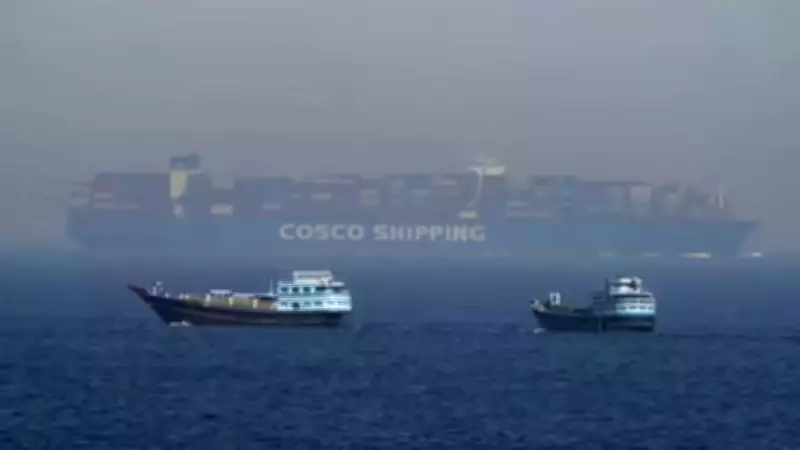
India Considers Deploying Naval Ships to Escort Vessels Through Strait of Hormuz
India is actively examining the possibility of sending naval ships to escort its commercial vessels through the Strait of Hormuz, a critical maritime chokepoint, amid escalating tensions in the Middle East. This strategic move comes in response to formal requests from Indian shipowners who are seeking enhanced protection for their fleets navigating this high-risk waterway.
Escalating Security Concerns in a Vital Shipping Lane
The Strait of Hormuz has transformed into a perilous zone for global shipping following a sharp increase in regional hostilities involving Iran, the United States, and Israel. These conflicts, now entering their second week, have significantly disrupted maritime traffic and raised profound concerns about the stability of international energy supplies. The situation has compelled nations to reassess their maritime security protocols.
According to a report by The New York Times, Indian authorities are seriously considering deploying warships to provide naval escorts. This development was confirmed by Captain P.C. Meena, a senior official at India's primary maritime authority, who highlighted the government's responsiveness to the shipping industry's appeals for safeguarding commercial operations.

India's Critical Dependence on Middle Eastern Energy Imports
The geopolitical instability in the Middle East poses a direct threat to India's energy security. Financial analysts from brokerage firm Jefferies estimate that approximately 55 percent of India's crude oil is sourced from the Middle East. Furthermore, around 35 percent of the nation's total oil imports transit through the narrow Strait of Hormuz, underscoring the waterway's strategic importance to the Indian economy.
India's reliance on the region extends beyond crude oil. The country depends heavily on liquefied petroleum gas imports from Gulf nations, including the United Arab Emirates, Qatar, Saudi Arabia, and Kuwait. An astonishing nearly 80 percent of India's LPG imports pass through the Strait of Hormuz, making any disruption in this corridor a potential crisis for domestic energy supplies.
Current Maritime Standstill and Government Response
Reports indicate that several Indian-flagged vessels are currently unable to traverse the Strait of Hormuz due to the heightened security risks associated with the ongoing conflict. Earlier this month, data revealed that approximately 38 Indian commercial ships, carrying more than 1,100 sailors, are stranded in the Persian Gulf and the Gulf of Oman, unable to proceed with their voyages.
In response to this escalating situation, Union Shipping Minister Sarbananda Sonowal has issued directives to relevant officials, including the Directorate General of Shipping. The minister has emphasized the urgent need to implement measures that ensure the safety and security of Indian seafarers and maritime assets operating in the volatile region.
Regional Context: Pakistan's Proactive Naval Deployment
India's potential move mirrors actions already taken by neighboring Pakistan. The Pakistani navy has proactively deployed warships to escort its commercial vessels operating in the Middle Eastern waters. Pakistani naval authorities have stated that their warships will accompany merchant ships to "ensure the uninterrupted flow of national energy supplies."
Publicly released images from the Pakistani navy depict a warship escorting a crude oil tanker belonging to Pakistan's national shipping company. Pakistan, like India, is heavily dependent on energy imports from the Gulf, sourcing most of its natural gas from Qatar and crude oil from Saudi Arabia and the United Arab Emirates.
The collective apprehension among shipping companies is palpable, with many reportedly slowing down or completely halting energy shipments through the Strait of Hormuz due to the mounting security concerns. This cautious approach underscores the broader economic implications of the regional conflict on global trade and energy logistics.






