

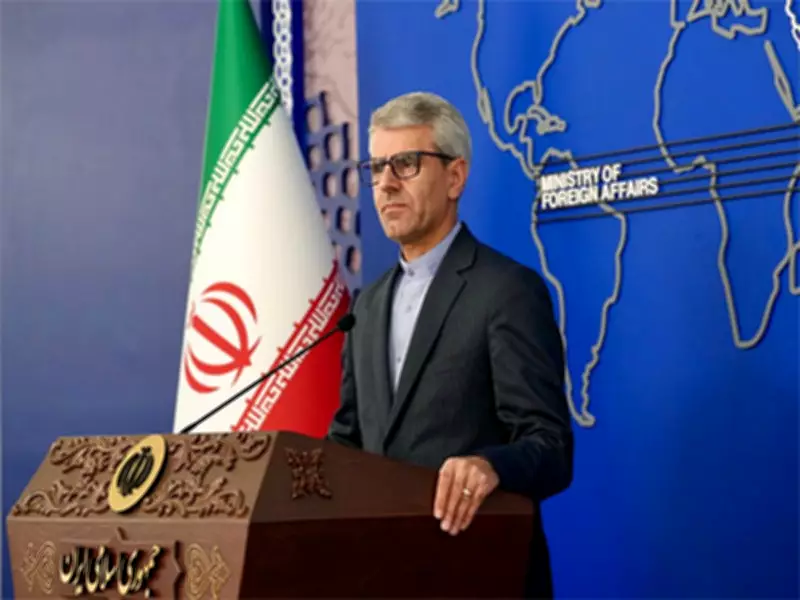
Iran Condemns EU Leaders for Hypocrisy in West Asia Conflict Statements
In a sharp diplomatic rebuke, Iran has launched a scathing attack on European Union leaders, accusing them of displaying hypocrisy and double standards at their absolute finest in their recent statements concerning the ongoing conflict in West Asia. The Iranian government's criticism highlights a deepening rift in international relations over the handling of regional tensions.
Accusations of Inconsistent Foreign Policy
Iranian officials have pointed to what they describe as blatant inconsistencies in the EU's approach to the West Asia conflict. They argue that while European leaders often preach principles of human rights and international law, their actions and statements in this context reveal a selective application of these standards. This accusation underscores broader geopolitical tensions, with Iran positioning itself as a critic of Western diplomatic practices in the region.
Key Points of Contention- Iran claims EU leaders have failed to address the root causes of the conflict impartially.
- The criticism focuses on perceived biases in EU statements that favor certain parties over others.
- Iran emphasizes the need for a more balanced and consistent international response to regional issues.
Implications for International Diplomacy
This public condemnation from Iran could have significant repercussions for diplomatic efforts in West Asia. By calling out the EU for hypocrisy, Iran aims to challenge the credibility of Western-led initiatives and potentially rally support from other nations critical of European foreign policy. The move reflects Iran's assertive stance in global affairs, as it seeks to influence narratives around the conflict and assert its own diplomatic priorities.

The West Asia conflict, involving multiple state and non-state actors, has long been a flashpoint in international relations. Iran's criticism comes amid ongoing violence and political instability in the region, with various external powers, including the EU, playing roles in mediation and support. Iran's vocal stance may complicate these efforts, as it calls for a reevaluation of how international bodies engage with the conflict.
Iran's Call for Fairness and Consistency
In its statements, Iran has urged the European Union to adopt a more equitable approach, free from what it sees as double standards. The Iranian government argues that lasting peace in West Asia requires unbiased international involvement that respects the sovereignty and rights of all parties involved. This appeal aligns with Iran's broader foreign policy objectives, which often emphasize anti-Western sentiment and support for regional allies.
Potential Outcomes- Increased diplomatic friction between Iran and the EU, possibly affecting trade and cooperation agreements.
- A shift in how other global powers perceive EU leadership in conflict resolution.
- Possible mobilization of support from nations sympathetic to Iran's critique of Western policies.
As tensions persist, Iran's condemnation serves as a reminder of the complex and often contentious nature of international diplomacy in conflict zones. The response from EU leaders and the broader international community will be closely watched, as it could influence future engagements in West Asia and beyond.






