

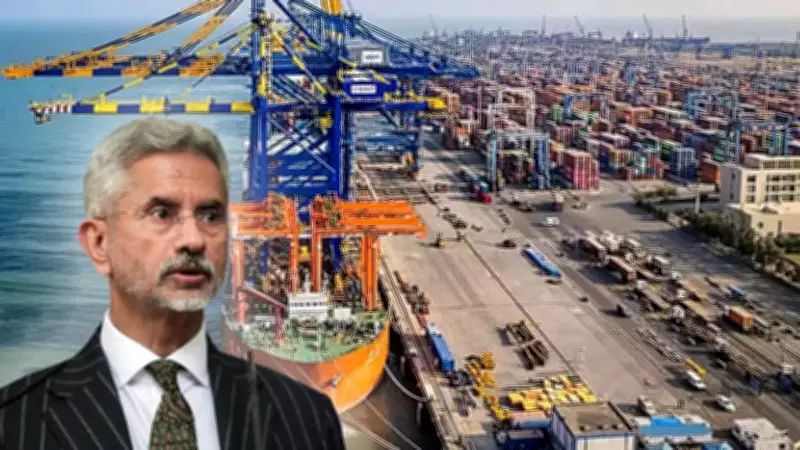
India Maintains Strategic Commitment to Chabahar Port Despite Escalating US-Iran Tensions
As geopolitical tensions between the United States and Iran intensify, India has taken a firm stance on its strategic investment in the Chabahar Port project. The Middle East region remains volatile, with significant implications for New Delhi's foreign policy and economic interests. Despite growing pressure from potential US sanctions, Indian officials have demonstrated unwavering resolve to continue developing this crucial infrastructure.
Iran's Strong Support for Continued Partnership
Iranian diplomatic representatives have publicly reaffirmed the strength of bilateral relations with India, specifically highlighting Chabahar Port's importance as a vital gateway to Central Asia and Afghanistan. This endorsement comes at a critical juncture when international scrutiny of Iran-related projects has increased substantially. The Iranian envoy's statements emphasize the mutual benefits both nations derive from this partnership, particularly in regional connectivity and trade facilitation.
India has already completed the transfer of the full $120 million commitment to the Chabahar development project, signaling serious financial and political dedication to seeing this initiative through. This substantial investment represents more than mere infrastructure development—it embodies India's strategic vision for enhanced regional influence and economic integration.

Navigating the Complex Sanctions Landscape
The sanctions environment surrounding Iran has become increasingly challenging, with a critical US waiver approaching its expiration deadline. Indian government officials have confirmed they are closely monitoring all developments while maintaining open diplomatic channels with relevant stakeholders. This careful balancing act reflects India's determination to protect its strategic interests while navigating complex international relations.
Chabahar Port serves multiple strategic purposes for India beyond simple commercial considerations. The facility provides an alternative route that bypasses Pakistan entirely, offers a counterbalance to China's Gwadar Port development in Pakistan, and establishes India as a key player in the International North-South Transport Corridor—a major multinational trade initiative connecting India to Russia and Europe through Iran.
The Broader Geopolitical Context
The coming months will prove decisive for Chabahar's future as global power dynamics continue to shift. The port project has become a focal point in the larger contest between major powers vying for influence in Central Asia and the Middle East. India's position reflects its growing confidence as an independent actor in international affairs, capable of pursuing its national interests despite external pressures.
Government sources indicate that while diplomatic efforts continue to address concerns about sanctions, there is no intention to abandon the Chabahar investment. The project represents too significant a strategic asset for India's regional ambitions and economic connectivity goals. As tensions between Washington and Tehran show no signs of abating, India's commitment to Chabahar will serve as a crucial test of its foreign policy autonomy and economic resilience.
The situation underscores the complex calculations nations must make when strategic interests intersect with international sanctions regimes. For India, Chabahar represents not just a port development, but a cornerstone of its broader vision for enhanced connectivity and influence across South and Central Asia—a vision that appears resilient despite mounting geopolitical pressures.






