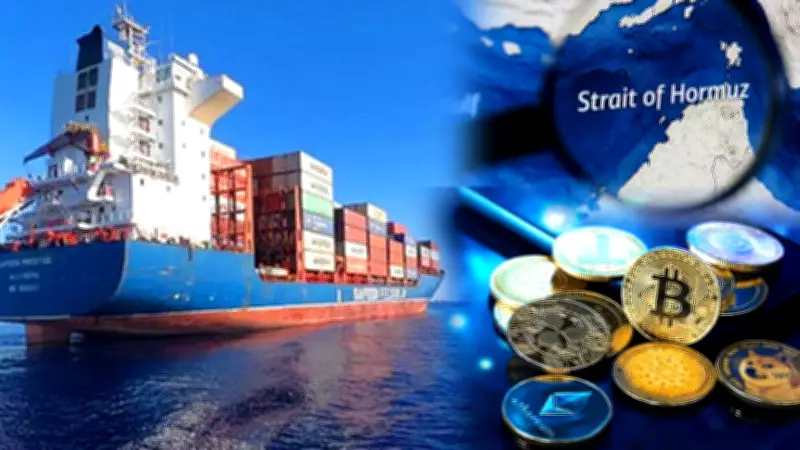
India Denies Crypto Scam Allegations After Strait of Hormuz Ship Attack
India has categorically denied claims of cryptocurrency payments in connection with a recent maritime incident in the Strait of Hormuz. The denial comes after reports surfaced alleging such payments, which have been dismissed as false by both shipping authorities and government officials.
Sanmar Shipping Limited Refutes False Reports
Sanmar Shipping Limited, the company involved, has issued a strong statement labeling the crypto payment reports as entirely baseless. A spokesperson emphasized that there is no truth to these allegations, calling them misleading and damaging to the company's reputation. This firm rebuttal aims to quell speculation and clarify the facts surrounding the incident.
Officials Dismiss Scam Allegations
Indian officials have also stepped in to dismiss the scam allegations, asserting that there is no evidence to support claims of crypto transactions. They highlighted that the focus should remain on the security implications of the attack rather than unsubstantiated financial rumors. This official stance underscores India's commitment to transparency and maritime safety.

Vessels Forced to Turn Back After Coming Under Fire
The incident involved two vessels that were compelled to turn back after coming under fire in the Strait of Hormuz. This aggressive action has raised significant concerns over maritime safety in one of the world's most critical shipping lanes. The attack disrupted normal operations and forced the ships to abort their journeys, highlighting the immediate dangers faced by commercial vessels in the region.
Rising Tensions and Vulnerabilities in a Critical Corridor
With global energy routes at risk, this event underscores the escalating tensions and vulnerabilities in the Strait of Hormuz. As a vital chokepoint for oil and gas shipments, any disruption here can have far-reaching implications for international trade and energy security. The incident serves as a stark reminder of the geopolitical risks that persist in this strategic area, potentially affecting economies worldwide.
The broader context includes ongoing regional conflicts and diplomatic strains, which may have contributed to the heightened security threats. Analysts warn that such incidents could become more frequent if tensions are not addressed through international cooperation and dialogue.