

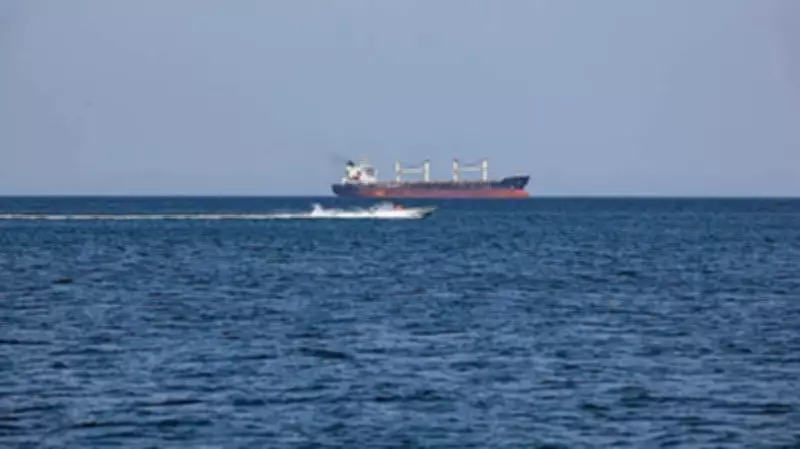
India Denies Reports of Discussing Vessel Release with Iran for Hormuz Passage
In a significant diplomatic clarification, the Indian government has categorically denied media reports suggesting that it engaged in discussions with Iran about the release of detained vessels to ensure safe passage through the strategic Strait of Hormuz. This denial comes amid heightened regional tensions and underscores India's careful navigation of its foreign policy in the Middle East.
Official Statement and Context
According to official sources, India has not held any talks with Iranian authorities on this specific issue. The Strait of Hormuz, a critical chokepoint for global oil shipments, has been a focal point of geopolitical friction, with incidents involving vessel detentions occasionally disrupting maritime traffic. India, as a major importer of oil from the region, maintains a keen interest in the stability of this waterway but insists that its approach is based on broader diplomatic engagements rather than isolated negotiations.
The government emphasized that its interactions with Iran are part of routine bilateral dialogues, covering a range of topics including trade, energy security, and regional stability. However, the notion of discussing vessel releases as a quid pro quo for passage rights has been firmly dismissed as inaccurate. This stance aligns with India's principle of adhering to international maritime laws and protocols, without resorting to ad-hoc arrangements that could set problematic precedents.

Implications for Regional Diplomacy
The denial highlights India's cautious diplomacy in a volatile region where it balances relationships with multiple stakeholders, including Iran, the United States, and Gulf nations. By refuting these reports, India aims to prevent any misinterpretation of its foreign policy objectives, which prioritize sovereignty and rule-based order. Experts note that such clarifications are crucial to maintaining trust among international partners and avoiding unintended escalations.
In recent years, India has increased its naval presence in the region to safeguard its economic interests, but it relies on diplomatic channels rather than unilateral actions. The government's statement reinforces that any discussions on maritime security are conducted within multilateral frameworks or through established bilateral mechanisms, not through informal bartering over vessel releases.
Background on the Strait of Hormuz
- The Strait of Hormuz is a narrow passage between the Persian Gulf and the Gulf of Oman, through which about one-fifth of the world's oil passes daily.
- It has been a site of tensions due to geopolitical rivalries, with incidents involving tanker seizures and attacks affecting global energy markets.
- India, as one of the largest consumers of oil, depends heavily on imports via this route, making its security a top national priority.
Overall, India's denial serves to clarify its diplomatic posture and reassure stakeholders of its commitment to stable and lawful maritime operations. As regional dynamics evolve, such transparent communications are essential for fostering cooperative security measures without compromising on principled stands.






