India and European Union Strengthen Ties with Landmark Summit in New Delhi
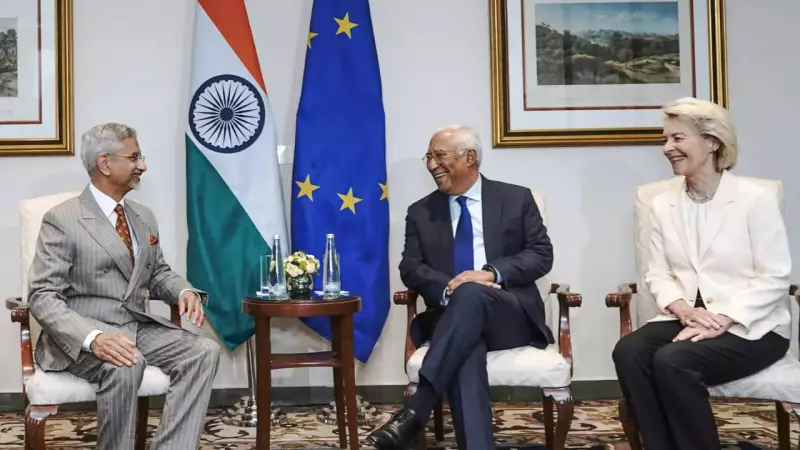
The arrival of European Council President Antonio Costa and European Commission President Ursula von der Leyen in New Delhi has set the stage for a pivotal Indo-EU summit. This high-level meeting occurs at a critical juncture, with Europe's transatlantic alliances facing significant strain and India navigating the complexities of President Trump's evolving trade policies. The summit represents a strategic alignment between two major global powers seeking to bolster their partnership in an increasingly fractured world.
Strategic Partnership and Shared Vision
In a recent post on X, Ursula von der Leyen emphasized that both India and Europe have made a definitive choice towards strategic partnership, open dialogue, and mutual cooperation. "Leveraging our complementary strengths. And building mutual resilience. We are showing a fractured world that another way is possible," stated von der Leyen, highlighting the collaborative spirit driving the summit. This sentiment underscores a shared commitment to fostering stability and innovation through joint efforts.
Key Outcomes and Agreements
The summit is poised to deliver four major outcomes that will shape the future of Indo-EU relations:

- Free Trade Agreement (FTA) Negotiations: Senior EU officials accompanying the leaders have indicated that both sides are nearing the conclusion of trade talks, described as potentially resulting in the "mother of all deals." While the deal itself will be signed at a later date, the successful conclusion of negotiations marks a significant milestone. Von der Leyen has assured that the EU is committed to finding workable, mutually beneficial solutions on contentious issues such as the EU carbon border tax (CBAM), automobiles, and steel.
- Security and Defence Partnership: A landmark security and defence partnership is set to be signed, which von der Leyen has characterized as a likely game-changer in an interview with TOI. This partnership, signed with only eight trusted and like-minded countries so far by the EU, will include the launch of negotiations for a Security of Information Agreement to facilitate the exchange of classified information. It will enable defence industrial collaboration and support India's participation in EU security initiatives, though von der Leyen clarified that EU member-states retain authority over the export of high-end defence technology.
- Mobility Agreement: An agreement to promote mobility aims to attract highly skilled professionals, researchers, and students to Europe while addressing concerns over illegal migration. This initiative reflects a balanced approach to enhancing human capital exchange and security.
- Joint Comprehensive Strategic Agenda (2026-2030): The adoption of this agenda will ramp up cooperation across four key pillars: prosperity and sustainability, technology and innovation, security and defence, and connectivity and global issues. According to Brussels, this framework will guide bilateral efforts towards effective multilateralism and a free and open Indo-Pacific.
Diplomatic Engagements and Broader Implications
External Affairs Minister S. Jaishankar later met with his counterpart Kaja Kallas, noting that their talks reflected growing comfort and strong convergences between India and the EU. In total, 8-10 agreements are expected to be signed at the summit, reinforcing the depth of the partnership. The strategic agenda, along with a joint statement, will reaffirm both sides' commitment to addressing global challenges through cooperative frameworks.
This summit not only strengthens bilateral ties but also positions India and the EU as key players in shaping a resilient and open international order, amidst ongoing geopolitical and economic uncertainties.