India and Europe Cement Strategic Alliance in a Fractured Global Landscape
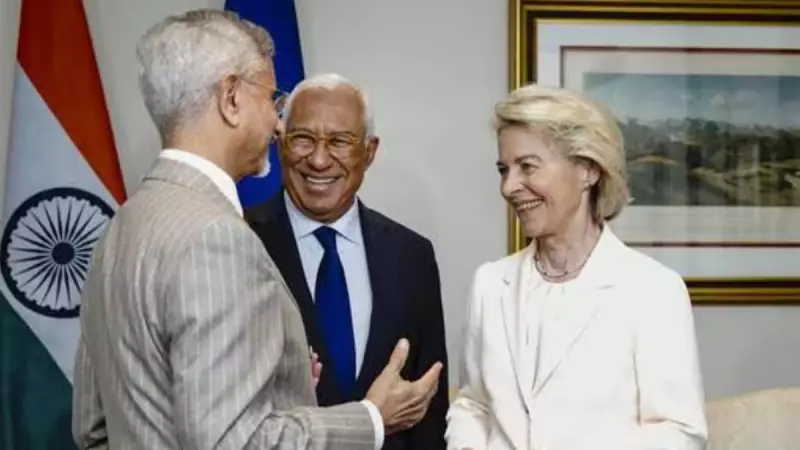
In a significant diplomatic development, European Commission President Ursula von der Leyen has announced the establishment of a strategic partnership between India and Europe. This move comes at a critical juncture, as the world grapples with increasing fragmentation and geopolitical tensions. The partnership aims to foster deeper cooperation across multiple domains, positioning both regions as key players in shaping a more stable and prosperous international order.
Addressing Global Challenges Through Enhanced Collaboration
The strategic partnership is designed to tackle pressing global issues, including economic instability, technological disruptions, and security threats. Von der Leyen emphasized that in today's fractured world, unilateral actions are insufficient, and collaborative efforts are essential for sustainable solutions. This alliance reflects a shared commitment to multilateralism and rule-based governance, which are crucial for navigating the complexities of the 21st century.
Key areas of focus include:

- Trade and Investment: Enhancing bilateral trade flows and investment opportunities to boost economic growth and resilience.
- Technology and Innovation: Collaborating on cutting-edge technologies such as artificial intelligence, renewable energy, and digital infrastructure.
- Security and Defense: Strengthening cooperation in counter-terrorism, cybersecurity, and maritime security to ensure regional and global stability.
Von der Leyen's Vision for a Resilient Partnership
Ursula von der Leyen highlighted that the India-Europe partnership is not merely a response to current challenges but a forward-looking initiative aimed at building long-term resilience. She noted that both India and Europe bring unique strengths to the table—India's dynamic economy and demographic dividend, combined with Europe's technological prowess and regulatory expertise—creating a synergistic relationship that can drive innovation and progress.
The partnership also underscores the importance of addressing climate change and promoting sustainable development. By aligning their policies on environmental protection and green energy, India and Europe can lead global efforts towards a low-carbon future, setting an example for other nations to follow.
Implications for Global Geopolitics and Economic Dynamics
This strategic alliance is expected to have far-reaching implications for global geopolitics and economic dynamics. In a world where traditional alliances are being tested, the India-Europe partnership represents a new model of cooperation based on mutual interests and shared values. It could potentially counterbalance other geopolitical blocs and contribute to a more balanced and inclusive international system.
Potential benefits include:
- Enhanced diplomatic leverage for both India and Europe in international forums.
- Increased economic opportunities through diversified trade routes and supply chains.
- Greater innovation and knowledge exchange in critical sectors like healthcare, education, and infrastructure.
As the partnership evolves, it will be crucial to monitor its implementation and impact on ground realities. Both sides have expressed optimism about the future, with von der Leyen reiterating Europe's commitment to deepening ties with India. This collaboration marks a pivotal step towards a more interconnected and cooperative world, even amidst ongoing fractures and uncertainties.