

India Announces Humanitarian Visa Measures Amid Escalating West Asia Conflict
In a significant humanitarian gesture, the Indian government has announced a comprehensive set of measures to assist foreign nationals stranded within its borders due to the ongoing conflict in West Asia. The Indian Consulate in Dubai issued an official notification detailing these initiatives, which include visa extensions, penalty waivers, and provisions for safe departure once travel routes reopen.
Key Provisions for Affected Foreign Nationals
The consulate has declared that all visas and e-visas expiring or due for expiry soon will be extended for a period of 30 days on a gratis basis. This extension applies specifically to the jurisdictional Foreign Regional Registration Offices (FRROs), ensuring streamlined processing for those impacted by the travel disruptions.
Overstay Penalties Waived

Authorities have confirmed that any overstay by affected foreign nationals occurring after February 28 will not incur penalties. This waiver is a direct response to the challenges posed by the conflict, which has severely disrupted international travel and logistics across the region.
Free Exit Permits and Visa Extensions
To facilitate the eventual departure of stranded individuals, exit permits will be issued free of charge. The consulate emphasized that if a foreign national is unable to apply for an exit permit or visa extension due to the circumstances, it will not be treated as a violation of migration legislation, providing legal reassurance during this turbulent period.
Additional Support Measures
In cases of flight diversions, Temporary Landing Permits (TLPs) will be granted to foreign nationals arriving in India on a gratis basis. This measure aims to accommodate unexpected arrivals and ensure they are not penalized for circumstances beyond their control.
Context of the West Asia Conflict
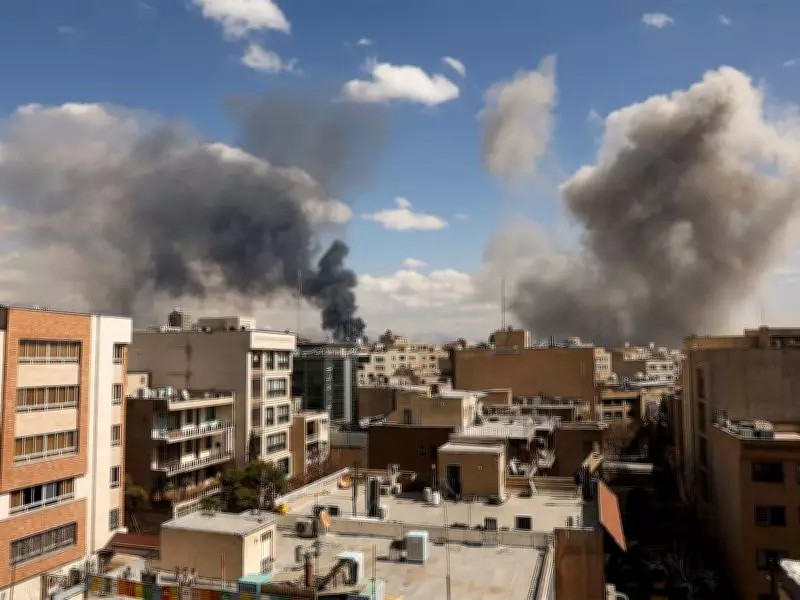
These announcements come against the backdrop of escalating tensions in West Asia, where the United States and Israel have conducted drone and missile attacks on Iran. In retaliation, Iran has targeted US strategic bases in the Gulf region and directly hit Israel, leading to widespread security concerns and travel disruptions.
The conflict has particularly affected airspace in the Gulf, with Qatar's airspace only partially open, resulting in limited flight operations by airlines such as Qatar Airways. The Indian Embassy in Doha reported that nearly 500 Indian nationals have been able to travel from Qatar to India and other global destinations on these limited flights. Additionally, Qatar Airways facilitated the transportation of the mortal remains of two Indian nationals who died of natural causes, along with their accompanying family members, to Kochi on humanitarian grounds.
Impact on Global Energy and Travel
The security crisis has caused significant disruptions to global energy supplies, especially around the Strait of Hormuz, a critical chokepoint where approximately 20% of the world's oil transits. This has further compounded the challenges for international travel and logistics, making India's visa measures a crucial support for those caught in the crossfire.
As the situation continues to evolve, Indian authorities remain vigilant, with plans for one flight to Mumbai by Qatar Airways on March 14, highlighting the ongoing efforts to manage the fallout from this regional conflict.






