

India Explores Russian LPG Imports to Bolster Energy Security Amid Global Turmoil
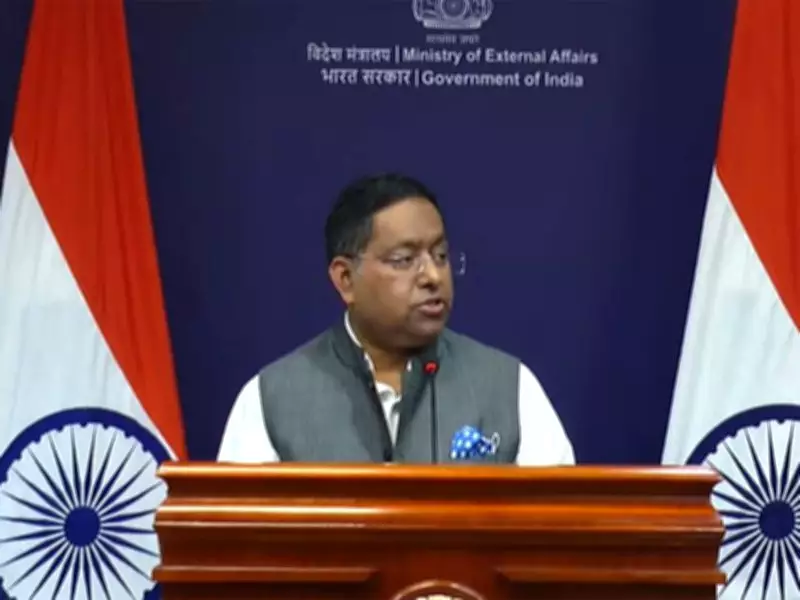
In response to escalating disruptions in global energy supplies due to the ongoing West Asia conflict, India has announced a strategic push to diversify its sources of fuel, with a particular focus on liquefied petroleum gas (LPG). During a weekly media briefing in New Delhi on Thursday, Ministry of External Affairs Spokesperson Randhir Jaiswal emphasized that India is actively seeking LPG from all available markets, including Russia, to safeguard domestic consumption needs.
MEA Spokesperson Outlines India's Energy Procurement Strategy
Randhir Jaiswal stated, "We are trying to buy LPG from everywhere, wherever it's available. So if Russia is available, we'll go there too. Because the current situation is such that we have to ensure that our people's fuel needs are met. I can say that we want to have a wide range of options." This declaration underscores India's proactive approach to mitigating supply chain vulnerabilities exacerbated by regional conflicts.
He further elaborated that India has consistently prioritized the unimpeded transit of goods and energy, calling for the protection of civilian infrastructure, including energy assets, across conflict zones. Jaiswal highlighted that these concerns resonate with a significant portion of the global community, as the conflict's repercussions are felt worldwide.

Impact of West Asia Conflict on Energy Shipping Routes
The spokesperson expressed deep concern over the disruption of key energy shipping routes, particularly noting the impact on LPG supplies. "Energy shipping routes have been impacted. The supply of LPG is a matter of concern. Therefore, we are prioritizing domestic consumption; their needs will be taken care of. Then we'll see how we supply LPG to commercial establishments," Jaiswal explained.
He revealed that recent arrivals of two tankers have bolstered supply pipelines, but shortages persist. In response, India is intensifying efforts to diversify its sources, exploring LPG procurement from various global regions. "We are at it, we are working, and we'll do our best to secure our energy security needs," he affirmed.
Diversified Oil Procurement and Normalization of Imports
Addressing queries about oil imports, Jaiswal noted that India purchases crude oil from multiple sources worldwide, including Russia, as part of a diversified strategy. "We buy oil from across the world. If there are tankers coming from X part of the world or Y part of the world, it is normal. We'll have many more tankers coming because we are buying energy. We are buying oil, crude oil from various parts of the world, and we have a diversified option in this regard and this will continue," he said.
He downplayed the sensationalism around these imports, stating, "I don't know why it should become such a big news. There are several vessels which will be docking, and it's a continuous process."
Escalation in Conflict and LNG Supply Concerns
With the recent escalation in the West Asia conflict, Jaiswal warned that liquefied natural gas (LNG) supplies are likely to be affected. "It has been impacted because of the closure of the Strait of Hormuz. But we are in discussion with several countries. We are in touch with all the stakeholders there to see how best we can secure our energy needs, and there can be unimpeded transit for our cargo," he detailed, referencing Iran's virtual closure of this critical transit route.
Update on Indian Nationals in Iran
In a related development, Jaiswal provided an update on Indian citizens in Iran, noting that many had returned prior to recent hostilities. "Our estimate was 9,011. Many of those students had returned before the attack began. Recently, about 882 Indian citizens, including students, some businesspeople, and pilgrims from here, are scheduled to return via Azerbaijan and Armenia," he reported.
He emphasized the importance of coordination with the embassy for smooth border crossings and expressed hope for the safe return of all remaining individuals in the coming days.

Background on the West Asia Conflict
The current escalation traces back to February 28, when joint military strikes by the United States and Israel resulted in the death of Iran's 86-year-old Supreme Leader, Ayatollah Ali Khamenei. In retaliation, Iran has targeted Israeli and U.S. assets across several Gulf countries, leading to the effective closure of the Strait of Hormuz—a vital corridor for global energy shipments. This geopolitical turmoil has intensified pressures on energy markets, prompting India's urgent diversification efforts.





