

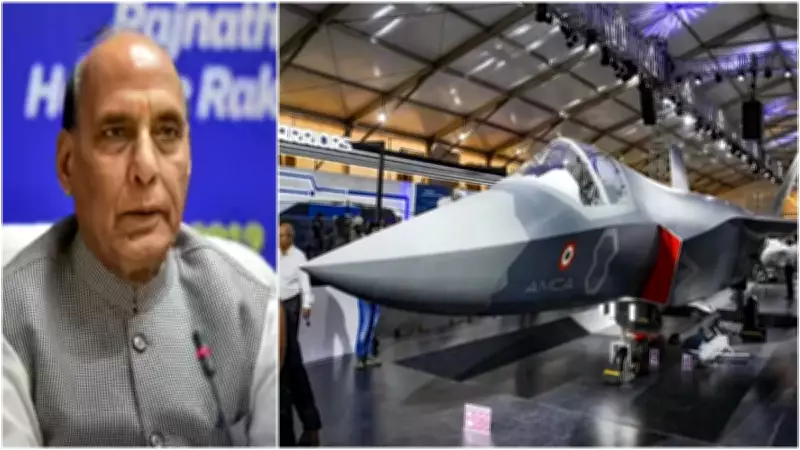
India Explores Global Partnerships for Sixth-Generation Fighter Jet Programmes
In a strategic move to bolster its air defence capabilities, India is actively exploring options to join sixth-generation fighter jet programmes with several global powers. The country is considering partnerships with France, Germany, the United Kingdom, Italy, and Japan, as part of its efforts to modernise its air force and stay ahead in advanced combat technology.
Key Nations in Focus for Collaboration
India's exploration includes evaluating potential collaborations with multiple nations that are at the forefront of developing next-generation fighter jets. The programmes under consideration are expected to lead to operational aircraft by around 2026, aligning with India's timeline for enhancing its aerial combat readiness.
- France: Known for its expertise in aerospace and defence, France is a key partner in India's defence modernisation efforts.
- Germany and the UK: Both nations are involved in advanced European defence projects, offering cutting-edge technology and research.
- Italy and Japan: These countries bring specialised capabilities in aviation and defence systems, making them valuable collaborators.
Strategic Importance and Timeline
Joining sixth-generation fighter jet programmes is crucial for India to maintain a competitive edge in air combat. These jets are designed to feature advanced stealth, artificial intelligence integration, and superior manoeuvrability compared to current fifth-generation models. By targeting a 2026 timeframe, India aims to integrate these technologies into its air force, ensuring preparedness for future security challenges.

This initiative reflects India's broader strategy to diversify its defence partnerships and reduce dependency on any single supplier, while fostering indigenous development through technology transfer and joint ventures.
Potential Benefits and Challenges
Collaborating with these nations could provide India with access to state-of-the-art aerospace technologies, enhancing its domestic defence manufacturing under initiatives like 'Make in India'. However, challenges such as aligning strategic interests, managing costs, and ensuring technology sharing agreements must be navigated carefully to achieve successful outcomes.
As India continues its discussions, the focus remains on securing partnerships that offer mutual benefits and contribute to global defence stability. This move underscores India's commitment to advancing its military capabilities through international cooperation and innovation.






