

India Reaffirms Strategic Autonomy in Foreign Policy
External Affairs Minister S. Jaishankar has strongly reiterated India's unwavering commitment to strategic autonomy in its foreign policy decisions. This statement comes in direct response to recent remarks from the United States regarding India's continued imports of Russian oil.
Jaishankar's Firm Stance on Independent Decision-Making
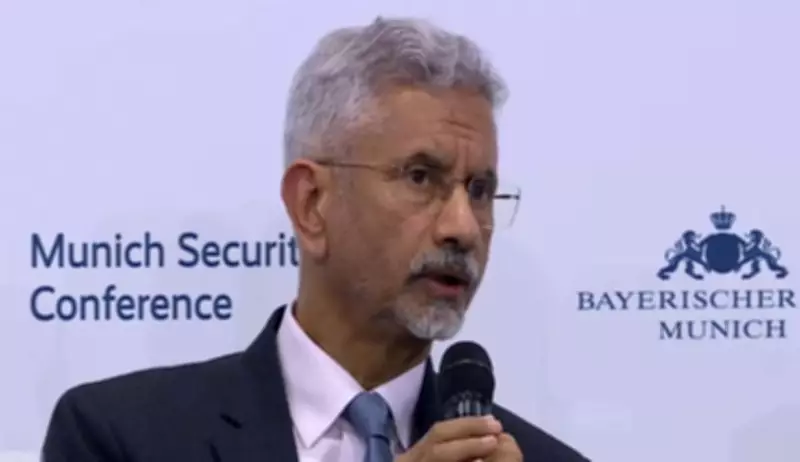
Speaking at a diplomatic forum, Jaishankar emphasized that India remains "very much wedded" to the principle of strategic autonomy. He clarified that India's foreign policy choices are made independently, based on careful consideration of national interests and global dynamics.
"Our decisions are guided by what serves India's interests best," Jaishankar stated, addressing the context of energy imports amid ongoing geopolitical tensions.

Context of US Comments on Russian Oil Imports
The minister's remarks follow recent observations from US officials about India's petroleum procurement patterns. While the US has implemented sanctions targeting Russian energy exports due to the Ukraine conflict, India has maintained its trade relationships, citing energy security needs and favorable pricing.
Jaishankar explained that India's approach balances multiple considerations:
- Ensuring stable energy supplies for domestic consumption
- Managing inflationary pressures on the economy
- Maintaining diversified international partnerships
- Upholding the right to independent policy formulation
Strategic Autonomy as a Cornerstone of Indian Diplomacy
The concept of strategic autonomy has long been fundamental to India's foreign policy framework. This principle allows India to:
- Form partnerships based on mutual benefit rather than alignment
- Make sovereign decisions on international matters
- Navigate complex global relationships without external pressure
- Protect core national interests across changing geopolitical landscapes
Jaishankar highlighted that this autonomy extends beyond energy policy to encompass broader diplomatic, economic, and security considerations.
Balancing International Relationships
India's position reflects its careful navigation between major global powers. While maintaining strong ties with the United States through strategic partnerships, India continues engagement with Russia, particularly in defense and energy sectors. This balanced approach allows India to:
- Secure diverse energy sources at competitive prices
- Preserve historical defense cooperation arrangements
- Advocate for multipolar global governance structures
- Contribute to regional stability through independent mediation
The minister noted that India's relationships are "not zero-sum" and that engagement with multiple partners strengthens rather than weakens its international position.
Global Implications and Future Trajectory
Jaishankar's reaffirmation of strategic autonomy signals India's continued commitment to an independent foreign policy path. As global power dynamics evolve, India's approach may influence how other developing nations navigate between major powers while protecting sovereign interests.
The minister concluded by emphasizing that India's foreign policy remains "pragmatic, principled, and responsive to both domestic needs and international realities." This stance ensures India can address energy security concerns while maintaining its position as a responsible global actor with independent decision-making capabilities.






