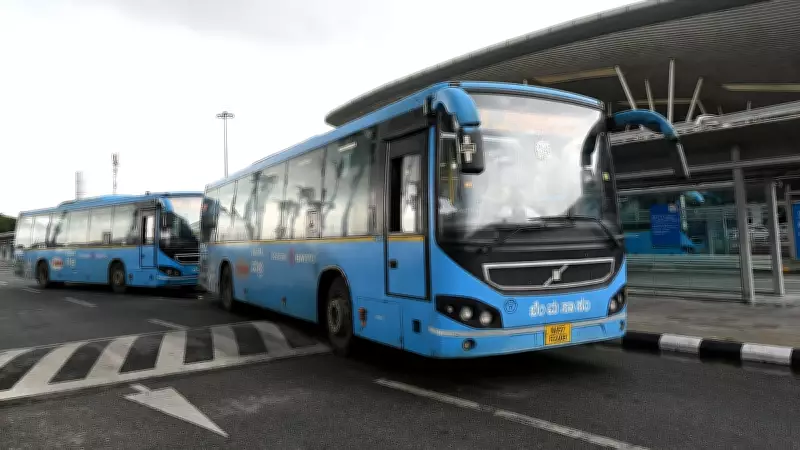
Bengaluru Airport to Restore Bus Bays at Terminal 1 After Public Backlash
In a significant reversal of a contentious decision, Bangalore International Airport Limited (BIAL) has announced plans to restore bus bays at Terminal 1 of Kempegowda International Airport in Bengaluru. This move comes after widespread criticism from the public and commuters regarding the reduction of bus facilities earlier this year.
Controversial Reduction in January 2026
In January 2026, BIAL faced intense scrutiny and backlash after it reduced the number of bus bays at Terminal 1 from 14 to just six. This decision was part of a restructuring effort that also involved reassigning one lane to a private taxi operator. The reduction led to significant inconvenience for passengers relying on public bus services, causing delays and overcrowding at the airport.
The move sparked outrage among daily commuters and frequent travelers, who argued that it undermined the accessibility and efficiency of public transport options at one of India's busiest airports. Many expressed concerns over the prioritization of private taxi services over public infrastructure, highlighting issues of equity and sustainability in urban mobility.

BIAL's Response and Restoration Plans
Following the public outcry, BIAL has decided to address the concerns by restoring the bus bays. The airport operator has acknowledged the feedback from stakeholders and is working on implementing changes to improve passenger experience. Details on the timeline and specific measures for the restoration are expected to be released soon, with a focus on enhancing the overall transport ecosystem at the airport.
This decision underscores the importance of responsive governance and the role of public feedback in shaping infrastructure policies. It also reflects a broader trend in Indian aviation, where airport authorities are increasingly balancing commercial interests with public service obligations to ensure smooth and equitable access for all travelers.
Implications for Bengaluru's Transport Network
The restoration of bus bays at Terminal 1 is likely to have positive ripple effects on Bengaluru's transport network. By reinstating these facilities, BIAL aims to:
- Improve connectivity for passengers using public buses.
- Reduce congestion and wait times at the airport.
- Promote sustainable travel options in line with urban development goals.
This move is seen as a step towards fostering a more integrated and passenger-friendly airport environment, which could set a precedent for other major airports in India facing similar challenges.
As Bengaluru continues to grow as a key economic and technological hub, efficient airport transport remains crucial for its global competitiveness and quality of life for residents. The reversal by BIAL highlights the dynamic nature of urban planning, where adjustments are made based on real-world impacts and community input.