

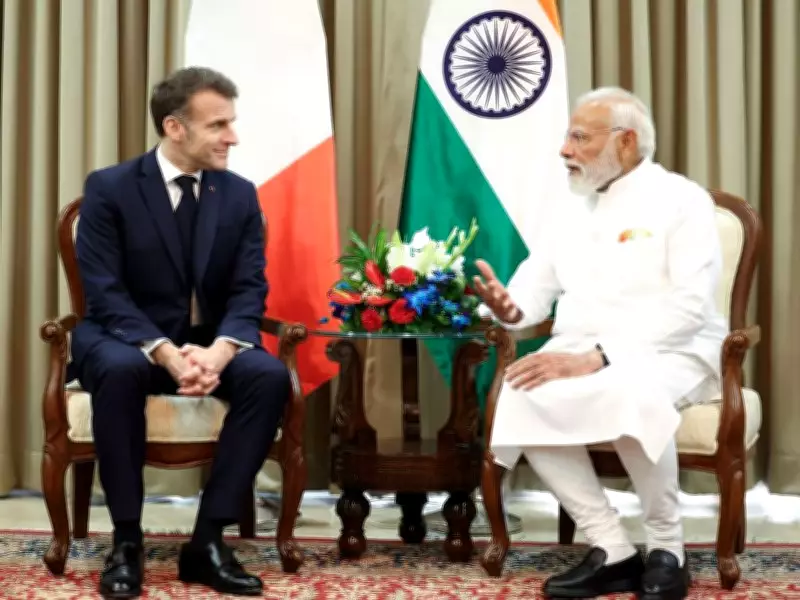
India and France Intensify Joint Efforts to Mitigate West Asia Tensions
In a significant diplomatic development, President Emmanuel Macron of France has publicly affirmed that France and India are working in close coordination to reduce escalating tensions in West Asia. This announcement came after a telephonic conversation with Prime Minister Narendra Modi, highlighting a shared commitment to prioritizing diplomacy as the cornerstone for restoring peace in the volatile region.
High-Level Dialogue Focuses on De-escalation and Stability
During their discussion, both leaders addressed the rapidly evolving situation in West Asia, underscoring the critical need for immediate de-escalation. They emphasized a return to dialogue and diplomatic channels as essential pathways to achieving lasting stability. Prime Minister Modi, in a post on social media platform X, expressed optimism about continuing this close coordination to advance peace not only in the region but also on a broader global scale.
President Macron responded warmly, thanking PM Modi and reinforcing the collaborative stance, stating, "Thank you, my dear friend. India and France are working closely together to reduce tensions in the region and to keep diplomacy at the heart of our efforts for peace." This exchange underscores the strengthening bilateral ties between the two nations, particularly in addressing international crises.

Background of the West Asia Conflict and Its Global Impact
The conversation occurs against a backdrop of heightened tensions in West Asia, which have significantly impacted regional stability. The conflict originated on February 28 with the killing of Iran's 86-year-old Supreme Leader, Ayatollah Ali Khamenei, in joint military strikes by the United States and Israel. In retaliation, Iran targeted Israeli and U.S. assets across several Gulf countries and Israel, leading to disruptions in key waterways and affecting international energy markets.
As a direct consequence of these hostilities, Iran has effectively closed the Strait of Hormuz, a vital transit route for global energy supply. This closure has triggered concerns over:
- Disruptions in global energy supply chains
- Volatility in international markets
- Potential threats to economic stability worldwide
Following the death of Ayatollah Ali Khamenei, Mojtaba Khamenei, his son, was appointed as the new Supreme Leader of the Islamic Republic, adding a layer of complexity to the regional dynamics.
Implications for International Diplomacy and Future Steps
The joint efforts by India and France signal a proactive approach to crisis management, leveraging their diplomatic influence to foster dialogue. This collaboration is poised to play a pivotal role in:
- Encouraging de-escalation among conflicting parties
- Promoting multilateral discussions to address root causes
- Enhancing global efforts to secure peace and stability in West Asia
As tensions persist, the international community watches closely, with India and France positioning themselves as key mediators in this critical geopolitical landscape. Their continued coordination is expected to be instrumental in navigating the challenges ahead and working towards a peaceful resolution.






