Delhi High Court Intervention Leads to Visa Relief for Afghan Trader
In a significant development, the Indian government has agreed to consider an Afghan dry fruit trader's request for business visa extension as a special exception and one-time measure. This decision comes despite the Ministry of Home Affairs' March policy that eliminated such extensions and required Afghan nationals to return to their home country for fresh visa applications.
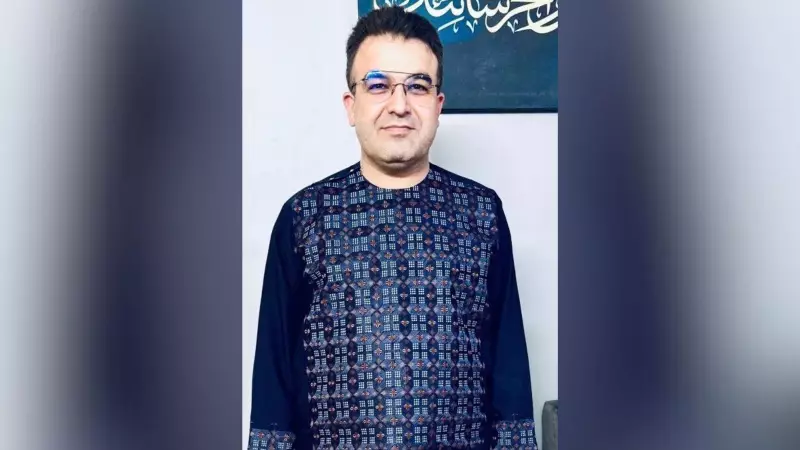
The Case of Ali Ahmad Nazari
The petitioner, Ali Ahmad Nazari, who has been living in Delhi since 2014, found himself in legal limbo last month when his request for business visa extension was refused by authorities. His visa had expired on October 28, leading him to approach the Delhi High Court for relief.
Represented by advocate Taksh Suri, Nazari's case gained traction when the Delhi High Court urged the Centre to consider his circumstances. The court notably observed that "much water has flown" since the MHA implemented the visa extension policy in March this year.

Timeline and Procedure for Fresh Application
According to the Centre's submission before Justice Sachin Datta on November 6, Nazari must now submit a fresh application to the Foreigners Regional Registration Office (FRRO) within three days. The authorities have committed to taking a decision on his application within two weeks of submission.
The concession marks a departure from the MHA's office memorandum dated March 19, which specifically stated that business visas should only be considered for established and well-known businessmen on recommendations from Afghan and Indian Chambers of Commerce, while explicitly keeping petty traders and businessmen out of its ambit.
Broader Diplomatic Context
This development occurs against the backdrop of evolving India-Afghanistan relations. The recent visit of Taliban-ruled Afghanistan's Foreign Minister Amir Khan Muttaqi to India in October marked a crucial moment in India's foreign policy approach. This was the first official visit by a Taliban foreign minister to India and included meetings with External Affairs Minister S Jaishankar, indicating India's strategic engagement with Taliban leadership despite not granting official recognition to the Taliban-ruled government.
The case sets an important precedent for how India handles visa matters for Afghan nationals amid changing geopolitical realities and demonstrates the judiciary's role in providing humanitarian relief in exceptional circumstances.