

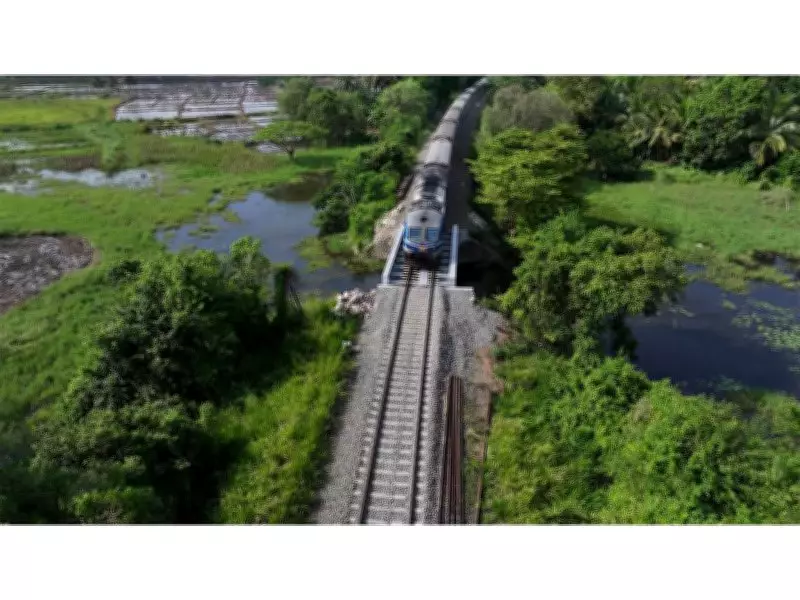
Sri Lanka Resumes Northern Railway Services After India-Supported Cyclone Restoration
Sri Lanka has successfully resumed railway services on its northern line, following extensive restoration efforts supported by India to repair severe damage inflicted by Cyclone Ditwah. This development marks a significant milestone in regional infrastructure recovery and underscores the strengthening bilateral cooperation between the two neighboring nations.
Cyclone Ditwah's Devastating Impact on Railway Infrastructure
Cyclone Ditwah, which struck Sri Lanka earlier this year, caused widespread destruction across the northern region, particularly crippling the vital railway network. The storm's intense winds and heavy rainfall led to track washouts, bridge damages, and the disruption of essential transportation links that serve both local communities and economic activities.
The northern railway line, a crucial artery for connectivity in the area, was rendered inoperable, halting passenger and freight services and isolating remote areas. Initial assessments revealed that the restoration would require substantial resources and technical expertise, prompting Sri Lankan authorities to seek international assistance.

India's Pivotal Role in the Restoration Project
In response to Sri Lanka's appeal, India stepped forward with comprehensive support for the restoration project. This assistance included financial aid, technical guidance, and the provision of necessary materials to expedite the repair process. The collaboration focused on rebuilding damaged sections of the track, reinforcing vulnerable structures, and implementing measures to enhance the line's resilience against future natural disasters.
The restoration efforts were coordinated through bilateral channels, reflecting India's commitment to fostering regional stability and development. Indian engineers and experts worked alongside Sri Lankan teams to ensure that the repairs met international safety standards and were completed efficiently, minimizing the disruption to local livelihoods.
Resumption of Services and Its Broader Implications
With the completion of the restoration work, Sri Lanka has now officially resumed full services on the northern railway line. This resumption is expected to:
- Revitalize local economies by restoring freight and passenger transport.
- Improve accessibility for residents in remote northern areas.
- Strengthen trade and tourism links within the region.
- Demonstrate effective disaster recovery through international partnership.
The successful project also highlights the growing strategic partnership between India and Sri Lanka, particularly in infrastructure and disaster management sectors. It sets a precedent for future collaborative efforts aimed at enhancing regional connectivity and resilience.
Looking Ahead: Future Collaborations and Infrastructure Resilience
As Sri Lanka continues to rebuild from the cyclone's aftermath, the restoration of the northern railway line serves as a model for effective post-disaster recovery. Both countries have expressed interest in exploring further joint initiatives, such as:
- Upgrading other vulnerable infrastructure segments to withstand extreme weather events.
- Enhancing early warning systems and disaster preparedness protocols.
- Promoting sustainable development projects that benefit bilateral relations.
This achievement not only restores a critical transportation link but also reinforces the importance of international cooperation in addressing shared challenges like climate change and infrastructure degradation.






