

India and Iran Reaffirm Strong Diplomatic Bond After Attack on Indian Ships in Hormuz Strait
In a significant development, Iran's representative in Tehran has publicly affirmed the enduring strength of the bilateral relationship between India and Iran, following a concerning incident involving missile fire on Indian vessels in the strategic Strait of Hormuz. This statement comes amidst heightened tensions in the region, underscoring the importance of diplomatic channels in maintaining stability.
Details of the Incident and Immediate Aftermath
The attack, which occurred recently, targeted Indian-flagged ships navigating the vital Hormuz Strait, a crucial maritime chokepoint for global oil shipments. While specific details regarding the extent of damage or casualties remain under investigation, the incident has drawn international attention due to its potential implications for regional security and trade routes.
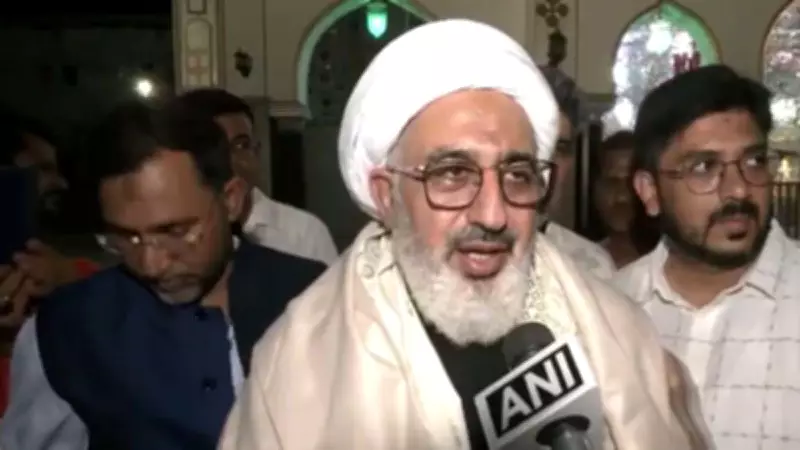
Iran's representative was quick to address the situation, emphasizing that such events do not undermine the foundational ties between the two nations. "India and Iran share a strong and historical relationship," the official stated, highlighting ongoing communication between the governments to address the matter constructively.

Analysis of India-Iran Relations and Regional Implications
India and Iran have maintained a multifaceted partnership spanning energy, trade, and strategic interests, particularly in connectivity projects like the Chabahar Port. This incident tests the resilience of their diplomatic framework, but the swift reassurance from Tehran suggests a commitment to de-escalation.
The Strait of Hormuz is a flashpoint in global geopolitics, with previous incidents involving other nations. Key aspects of this event include:
- Security Concerns: The attack raises alarms about maritime safety in one of the world's busiest shipping lanes.
- Diplomatic Dialogue: Both countries are leveraging diplomatic talks to prevent further escalation and protect their economic interests.
- Regional Stability: The response underscores efforts to maintain peace in the Middle East, where India has significant stakes.
Experts note that while the incident is serious, the reaffirmation of strong ties may help mitigate broader conflicts. India's approach has been measured, focusing on dialogue rather than confrontation, which aligns with its broader foreign policy objectives in the region.
Looking Ahead: Future Prospects and Challenges
Moving forward, the incident is likely to prompt increased vigilance and cooperation on maritime security between India and Iran. Potential outcomes could include enhanced patrols or joint initiatives to safeguard shipping routes. However, challenges persist, such as navigating complex regional dynamics and ensuring such attacks do not recur.
In conclusion, the missile fire on Indian ships in the Hormuz Strait has not shaken the robust India-Iran relationship, as affirmed by Tehran's representative. This episode highlights the critical role of diplomacy in addressing security threats and reinforces the need for continued partnership in fostering regional stability. As both nations work through this crisis, their strong historical bonds serve as a foundation for resolving conflicts and advancing mutual interests.






