

India and Japan Hold Crucial Talks on West Asia Conflict and Hormuz Strait Security
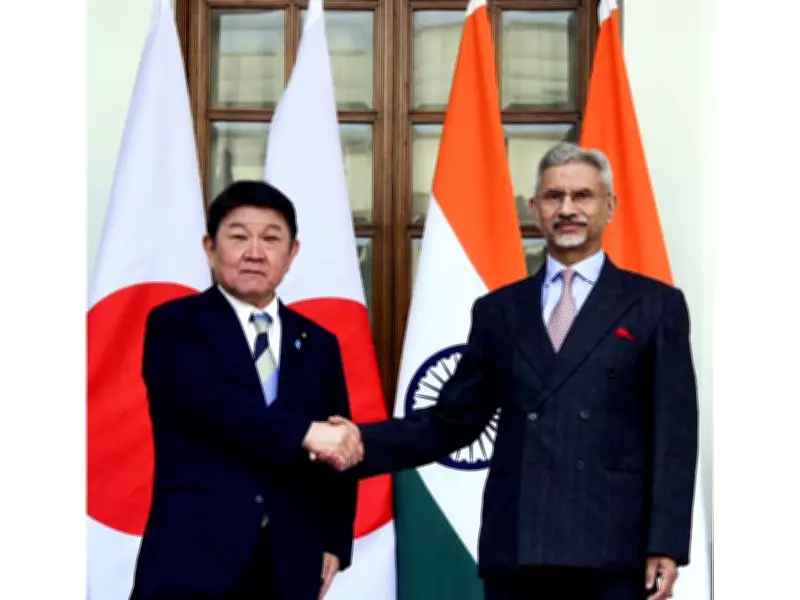
In a significant diplomatic engagement, External Affairs Minister Dr. S. Jaishankar and Japanese Foreign Minister Toshimitsu Motegi conducted a detailed phone conversation to deliberate on pressing international issues, with a primary focus on the escalating conflict in West Asia and the critical security situation in the Hormuz Strait. This high-level dialogue underscores the deepening strategic partnership between India and Japan, as both nations navigate complex geopolitical challenges that impact regional and global stability.
Addressing the West Asia Conflict
The ministers engaged in a comprehensive exchange of views regarding the ongoing conflict in West Asia, which has seen heightened tensions and violence in recent months. They expressed shared concerns over the humanitarian crisis, the threat to civilian lives, and the broader implications for peace and security in the region. Both sides emphasized the urgent need for de-escalation and a peaceful resolution through diplomatic channels, aligning with international efforts to restore stability.
Key points discussed included:

- The importance of upholding international law and respecting sovereignty in conflict zones.
- Collaborative approaches to support humanitarian aid and refugee assistance.
- The role of multilateral forums, such as the United Nations, in mediating disputes and fostering dialogue among conflicting parties.
Security Concerns in the Hormuz Strait
A major highlight of the conversation was the discussion on the Hormuz Strait, a vital maritime chokepoint for global energy supplies. The ministers addressed recent security incidents and threats to freedom of navigation in the area, which have raised alarms about potential disruptions to oil and gas shipments. They reaffirmed their commitment to ensuring safe and secure sea lanes, crucial for the economic interests of both India and Japan, as well as for global trade.
Specific aspects covered:
- Enhancing maritime cooperation through joint exercises and intelligence sharing to combat piracy and terrorism.
- Supporting international initiatives aimed at maintaining stability in the Strait and surrounding regions.
- Exploring diplomatic measures to reduce tensions among stakeholders involved in the area.
Strengthening Bilateral Ties
Beyond the immediate security issues, the phone call served as an opportunity to reinforce the robust India-Japan strategic partnership. The ministers reviewed progress on various bilateral initiatives, including economic collaborations, defense agreements, and cultural exchanges. They expressed satisfaction with the growing ties and agreed to continue high-level engagements to further deepen cooperation in areas of mutual interest.
The dialogue concluded with both ministers agreeing to maintain close coordination on regional and global matters, reflecting their shared vision for a peaceful and prosperous Indo-Pacific region. This conversation marks another step in the evolving diplomatic synergy between India and Japan, as they work together to address complex challenges on the world stage.






