

India-Malaysia Ties: A Call for Strategic Reset Beyond Rhetoric
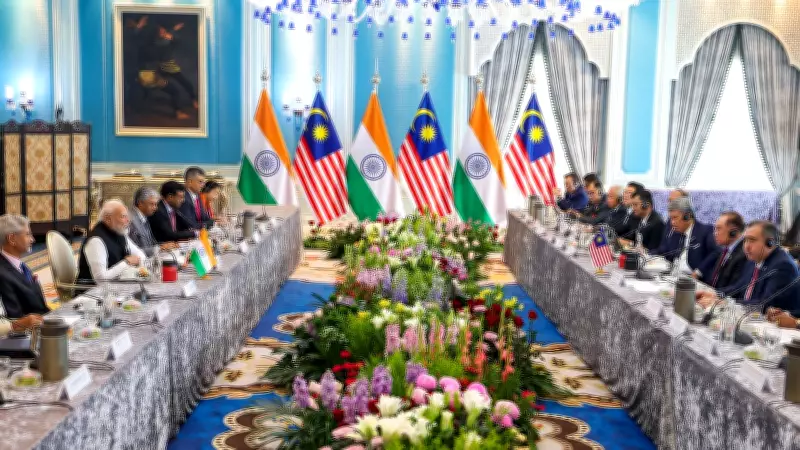
The bilateral relationship between India and Malaysia has reached a pivotal moment, with Prime Minister Narendra Modi's recent visit to Kuala Lumpur underscoring a new high in diplomatic engagement. This trip follows the elevation of ties to a Comprehensive Strategic Partnership in 2024 during Malaysian Prime Minister Anwar Ibrahim's maiden visit to India, marking a significant milestone in regional diplomacy.
Building on Historical and Cultural Foundations
During the delegation-level talks, PM Modi and External Affairs Minister S. Jaishankar emphasized the deep cultural, linguistic, historical, and people-to-people linkages that form the bedrock of India-Malaysia relations. PM Modi introduced the acronym IMPACT, standing for India-Malaysia Partnership for Advancing Collective Transformation, symbolizing a shared vision for future collaboration. The announcement of a new Indian consulate in Sabah further solidifies these connections, enhancing diplomatic presence and facilitating closer ties.
Economic and Technological Synergies
Exploring complementarities in the semiconductor sector and enhancing cooperation in the digital economy and fintech reflect a proactive approach to addressing shared challenges. These initiatives aim to leverage both nations' strengths, fostering innovation and economic growth. The joint statement highlighted agreements on disaster management cooperation between national authorities and detailed plans for food security and agri-commodity collaboration, showcasing practical steps toward mutual benefit.

Strategic Opportunities for Regional Leadership
PM Anwar Ibrahim previously noted that stronger Malaysia-India ties are consequential to a better-connected Global South, hinting at the need for greater functional cooperation. Opportunities in frameworks like the Indian Ocean Rim Association and bilaterally driven inter-regionalism between ASEAN and BIMSTEC remain underexplored. The limited attention to these in the joint statement raises questions about whether both countries are fully leveraging their relationship to shape key regional institutions and security trends.
For instance, India's allocation of Rs 300 crore in financial aid for Myanmar in the 2026-2027 budget presents a chance for bilateral consultations. Collaborating on humanitarian crises, such as in Myanmar, could strengthen India's first-responder efforts and anticipate regional security developments, moving beyond rhetoric to actionable reset.
Moving Forward: A Reset for Regional Good
A new era in Malaysia-India ties must prioritize strategic reset over mere rhetoric, especially after the conscious efforts to elevate the relationship—an unthinkable feat just five years ago. The bilateral framework should be built on India's growing profile as a rising regional power and Malaysia's re-emergence as a force in Southeast Asia. The Comprehensive Strategic Partnership must account for joint, mindful efforts toward regional stability and prosperity.
The cultural and civilizational connection should only strengthen their shared resolve, serving as an enabler rather than the main driver of this strategic partnership.By focusing on creative cooperation and broader regional purposes, India and Malaysia can transform their ties into a model for Global South mobilisation, ensuring lasting impact and mutual growth.






