

India Takes Major Step Toward Domestic Production of Advanced Jet Engines
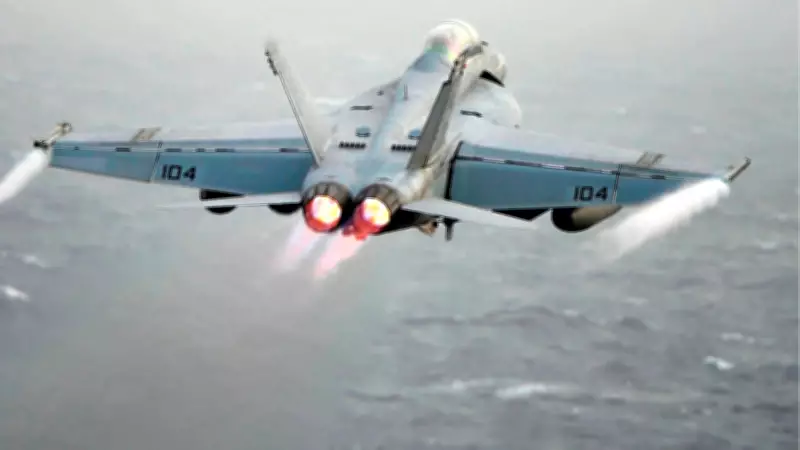
India's aviation sector has achieved a significant milestone by moving closer to the domestic manufacturing of GE F-414 turbofan engines. This development follows a technical agreement between Hindustan Aeronautics Ltd (HAL) and GE Aerospace, which promises to enhance India's self-reliance in advanced aerospace technologies.
Powering Three Indigenous Fighter Programs
The GE F-414-INS6 engine is set to be a critical component for three upcoming manned fighter aircraft developed in India. These include the Tejas Mk-2, the Twin-Engined Deck Based Fighter, and the initial variant of the Advanced Medium Combat Aircraft (AMCA). This dependable powerplant will provide the necessary thrust and performance for these advanced jets, marking a pivotal advancement in India's defense capabilities.
Key Details of the Agreement
With the technical agreement now in place, representatives from HAL and GE will proceed to discuss the commercial aspects of the deal. Once finalized, the agreement stipulates that 80% of the engine components will be produced locally in India. Additionally, GE will transfer Intellectual Property for the parts manufactured in India, significantly reducing the country's dependency on foreign Original Equipment Manufacturers (OEMs).

Historical Context and Technology Transfer
India has been seeking an engine with an output of 95-100 KN since 2008, initially considering options like GE's F-414 and Eurojet Turbo's EJ2000. GE was selected, and while earlier discussions involved only 55% technology transfer, the current deal aims for an 80% Transfer of Technology (ToT). This includes critical technologies such as coating of the hot section, laser drilling, and crystal blades, as reported by the Economic Times.
Strategic Implications for Indian Aviation
This partnership reflects a pragmatic approach by India's aviation industry to absorb critical technologies through collaboration with proven entities like GE. By avoiding the need to reinvent the wheel, the sector can focus on expanding its capabilities and delivering on complex projects. The deal, initiated with a Memorandum of Understanding in 2023 during Prime Minister Modi's visit to the United States, underscores India's commitment to bolstering its aerospace manufacturing and reducing foreign reliance.
As India's aviation industry grows, this step toward domestic engine production is expected to enhance national security, support economic growth, and position India as a key player in global aerospace innovation.






