

India Summons Iranian Envoy Over Strait of Hormuz Incident Involving Indian Vessels
In a significant diplomatic development, the Ministry of External Affairs in New Delhi has summoned the Iranian envoy to lodge a formal protest. This action follows reports that Iranian Revolutionary Guard Corps (IRGC) forces opened fire on Indian vessels near the strategically vital Strait of Hormuz.
Details of the Maritime Incident
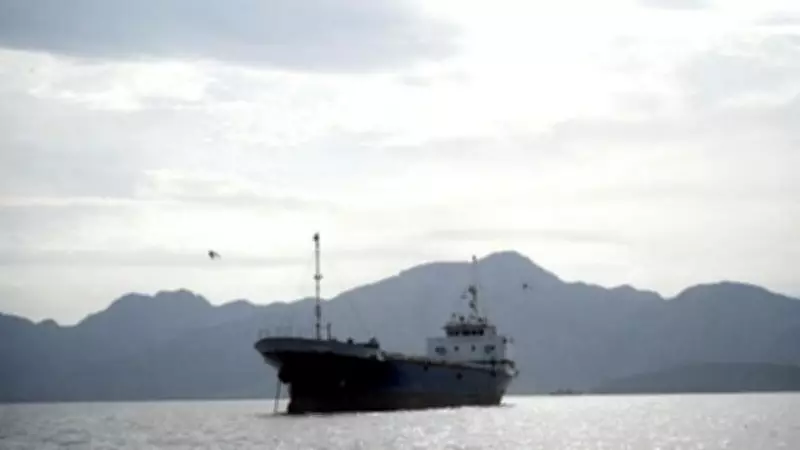
According to the reports, the incident involved a group of Indian vessels navigating the waters near the Strait of Hormuz. The IRGC, Iran's elite military force, reportedly opened fire, leading to a critical situation for the ships. As a result of this aggressive action, four of the Indian vessels were forced to turn back from their intended course. However, one vessel managed to successfully cross the Strait of Hormuz despite the hostilities.
The Strait of Hormuz is a narrow maritime chokepoint connecting the Persian Gulf with the Gulf of Oman and the Arabian Sea. It is one of the world's most important oil transit routes, with a substantial portion of global oil shipments passing through it daily. Any disruption or military activity in this area has far-reaching implications for international trade and energy security.

India's Diplomatic Response
The Ministry of External Affairs took swift action by summoning the Iranian envoy to India. During this meeting, Indian officials lodged a strong protest over the reported targeting of Indian vessels by IRGC forces. This diplomatic move underscores India's commitment to protecting its maritime interests and ensuring the safety of its commercial shipping in international waters.
The protest highlights growing concerns over maritime security in the region, particularly given the strategic importance of the Strait of Hormuz to global energy supplies. India, as a major importer of oil from the Middle East, has a vested interest in maintaining free and safe navigation through these critical waterways.
Broader Implications and Regional Tensions
This incident occurs against a backdrop of heightened tensions in the Middle East, where various geopolitical conflicts and rivalries often spill over into maritime domains. The IRGC's actions near the Strait of Hormuz are not isolated but part of a pattern of assertive behavior by Iranian forces in the region.
India's response reflects its balancing act in the Middle East, where it maintains diplomatic and economic ties with multiple actors, including Iran. However, the safety of Indian vessels and citizens remains a top priority for the Indian government, prompting this firm diplomatic stance.
The incident raises questions about the future of maritime security cooperation and the need for enhanced measures to protect commercial shipping in volatile regions. As global trade relies heavily on such chokepoints, any escalation could have significant economic repercussions.
Conclusion and Ongoing Developments
As of the latest updates, the situation remains fluid, with Indian authorities closely monitoring developments. The successful crossing of one vessel through the Strait of Hormuz provides some relief, but the forced turnaround of four others indicates the severity of the incident.
India's protest to Iran serves as a clear message that it will not tolerate threats to its maritime assets. This event may lead to further diplomatic engagements or discussions on regional security frameworks to prevent similar occurrences in the future.






