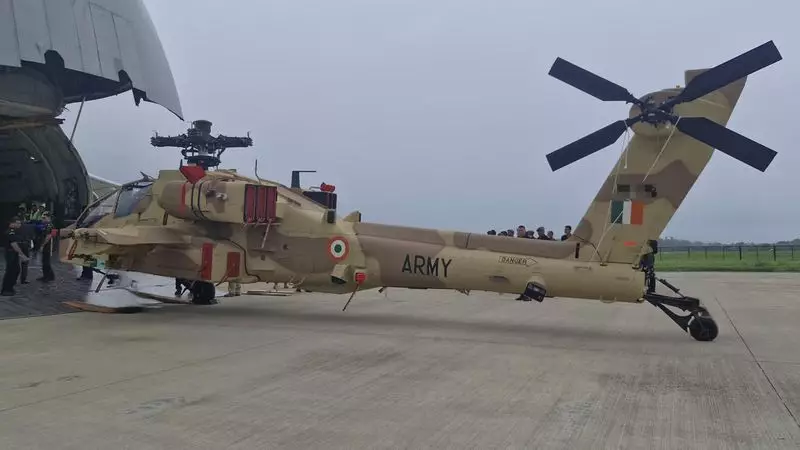
The Indian Air Force (IAF) has achieved a significant milestone in its modernization drive with the arrival of the final batch of advanced attack helicopters from the United States. The last three AH-64E Apache Guardian helicopters landed in India, marking the completion of a major procurement contract.
Completing the Apache Squadron
This delivery finalizes the acquisition of a total of 22 AH-64E Apache attack helicopters from the American aerospace giant, Boeing. The deal, valued at several billion dollars, was signed between the governments of India and the United States. The helicopters are part of a foreign military sale approved by the US government, underscoring the deepening defence ties between the two nations.
The first batch of these formidable machines was inducted into the IAF in 2020. Since then, they have been progressively integrated into the force's operational structure. The Apaches are primarily operated by the 125 Helicopter Squadron, known as the 'Gladiators', which is based at the Pathankot Air Force Station. This strategic location allows for rapid deployment along India's western frontiers.

Unmatched Combat Capabilities
The AH-64E Apache Guardian, often called the world's most advanced multi-role combat helicopter, brings a transformative capability to the IAF. It is designed to operate in all weather conditions, day or night, and can engage a wide array of targets with precision.
Its key features that enhance India's aerial strike power include:
- Hellfire Missiles: Precision-guided anti-tank missiles with a range of over 8 kilometers.
- Advanced Targeting Systems: A state-of-the-art sensor suite including a Target Acquisition Designation Sight (TADS) and Pilot Night Vision Sensor (PNVS).
- 30mm Chain Gun: A lethal automatic cannon for close-range engagements.
- Enhanced Networking: The ability to share real-time battlefield data with other aircraft and ground forces, acting as a force multiplier.
These helicopters are a critical component of the IAF's plan to replace its ageing fleet of Soviet-era Mi-35 attack helicopters. Their induction significantly boosts the service's capability to provide close air support for ground troops, conduct anti-tank warfare, and carry out reconnaissance missions.
Strategic Implications and Future Outlook
The complete delivery of the Apache fleet solidifies a major chapter in India-US defence cooperation. It represents not just a transfer of hardware but also a sharing of advanced technology and operational tactics. Indian pilots and ground crew have undergone extensive training in the United States to master these complex machines.
Furthermore, this acquisition is part of a larger trend. The Indian Army has also contracted for six Apache helicopters of its own, a batch that is separate from the IAF's order. This will mark the first time the Apache is operated by the Indian Army Aviation Corps, providing dedicated air support to its strike formations.
The arrival of the final three Apaches ensures that the IAF now has a full squadron of these guardians ready for deployment. This enhances India's deterrence posture and provides a formidable response to any armored threat. The helicopters' proven track record in conflicts worldwide makes them a valuable asset for national security.
Looking ahead, the focus will shift to ensuring high operational readiness, seamless integration with other combat systems, and potentially exploring further collaborations, including maintenance and support agreements within India. The successful induction of the Apache fleet is a clear signal of India's commitment to maintaining a technologically superior and agile air force.