In a significant move to strengthen long-standing defence ties, India and Russia have agreed to a major partnership focused on the joint production of critical spare parts within India. This agreement, reached during high-level talks in New Delhi, aims to ensure the operational readiness of the Indian military's vast inventory of Russian-origin equipment.
A Strategic Shift Towards Co-Production
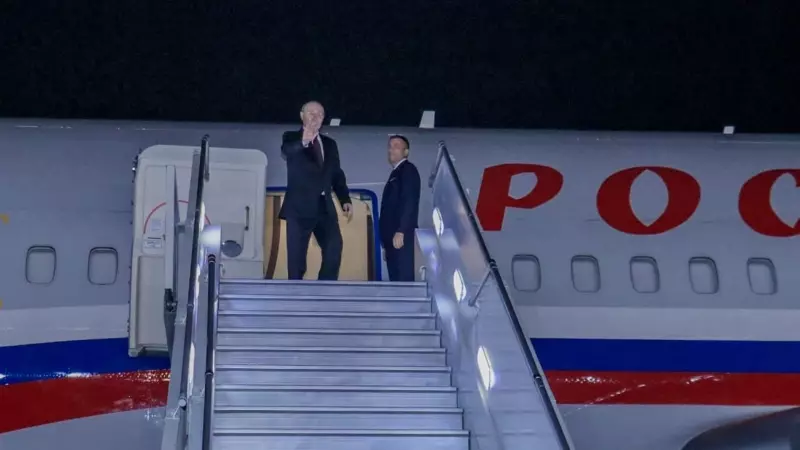
The landmark decision was announced on Friday, December 6, 2025, following a meeting between Prime Minister Narendra Modi and Russian President Vladimir Putin. The core of the agreement is a pivot towards collaborative manufacturing under the flagship Make-in-India programme. Rather than signing a new defence purchase deal, the two nations are deepening their partnership through industrial cooperation.
This initiative will see the establishment of joint ventures and involve a crucial transfer of technology. The primary objective is to manufacture spare parts, components, and aggregates needed for the maintenance and upkeep of Russian-made defence platforms currently serving the Indian Armed Forces.

Meeting Defence Needs and Enabling Exports
The collaboration is designed with a dual purpose. Firstly, it directly addresses the Indian military's requirement for a reliable and indigenous supply chain for maintenance, reducing dependency on imports and potential logistical delays. Secondly, the partnership opens the door for exports to mutually friendly third countries, positioning India as a manufacturing hub for defence spares.
The joint statement highlighted that the partnership is "reorienting towards joint R&D, co-development and co-production of advanced defence technologies and systems" in response to India's goal of self-reliance (Atmanirbharta) in defence.
Broader Context of Defence Talks
This agreement followed a meeting on Thursday between Defence Minister Rajnath Singh and his Russian counterpart, Andrey Belousov. Their discussions covered a wide range of ongoing and future cooperation, including:
- India's plans to procure additional batches of the S-400 Triumf missile systems, which have been operational since their delivery.
- Replenishment supplies for legacy Soviet-era platforms still in active service.
- Potential upgrades, such as extending the range of the jointly developed BrahMos cruise missiles.
- Acquisition of long-range missiles for Su-30MKI and MiG-29 fighter jets.
- Joint manufacturing of selected smaller military equipment.
Both sides also welcomed the outcomes of the 22nd session of the India–Russia Inter-Governmental Commission on Military and Military Technical Cooperation (IRIGC-M&MTC).
While India has strategically diversified its defence acquisitions in recent years with major procurements from countries like France and the United States, Russian-origin systems continue to form a substantial part of its military inventory. This new agreement on co-production and maintenance is a pragmatic step to ensure these systems remain battle-ready for years to come, while simultaneously boosting India's domestic defence industrial base.