

India Contacts Iran for Maritime Security After Strait of Hormuz Firing
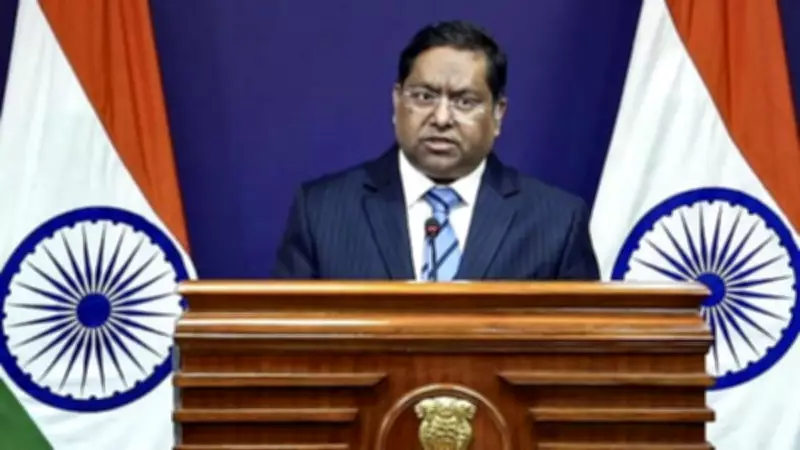
The Ministry of External Affairs (MEA) has confirmed that India is actively engaged in diplomatic discussions with Iran to secure safe passage for commercial vessels in the wake of a recent firing incident in the strategically vital Strait of Hormuz. This critical waterway, a major global oil transit route, has seen heightened tensions, prompting immediate action from Indian authorities to protect maritime interests and ensure the uninterrupted flow of trade.
Diplomatic Efforts for Ship Safety
In response to the incident, the MEA has initiated high-level communications with Iranian officials, emphasizing the urgent need for enhanced security measures and cooperative protocols to safeguard ships navigating the strait. The dialogue focuses on preventing disruptions to international shipping lanes, which are essential for India's energy imports and economic stability. This proactive approach underscores India's commitment to regional stability and the protection of its maritime assets in volatile areas.
Assurance on Fuel Supplies and Crude Oil Stocks
Simultaneously, the Ministry of Petroleum and Natural Gas has issued a reassuring statement, affirming that India maintains sufficient reserves of crude oil to meet domestic demand. The ministry has explicitly stated that there is no current shortage of petrol or diesel at retail outlets across the country, alleviating concerns about potential supply chain interruptions due to the Strait of Hormuz incident. This declaration aims to prevent panic buying and ensure market confidence amid geopolitical uncertainties.

- The MEA is in direct touch with Iran to negotiate safe passage for ships affected by the firing incident.
- India's crude oil stocks are robust, with no immediate threat to fuel availability.
- Retail outlets continue to operate normally, with adequate supplies of petrol and diesel.
- The government is monitoring the situation closely to mitigate any long-term impacts on energy security.
This coordinated response highlights India's strategic preparedness in managing external threats to its energy infrastructure. By combining diplomatic outreach with transparent communication about resource availability, authorities aim to maintain economic resilience and public trust during this period of heightened regional tension.






