In a swift humanitarian response, India has airlifted essential disaster relief materials to its neighboring island nation, Sri Lanka, which is reeling from the devastating impact of Cyclone Ditwah. The assistance, delivered on December 4, 2025, aims to address severe infrastructure collapse and provide immediate access to clean water in affected regions.
Operation Sagar Bandhu: A Bridge to Recovery
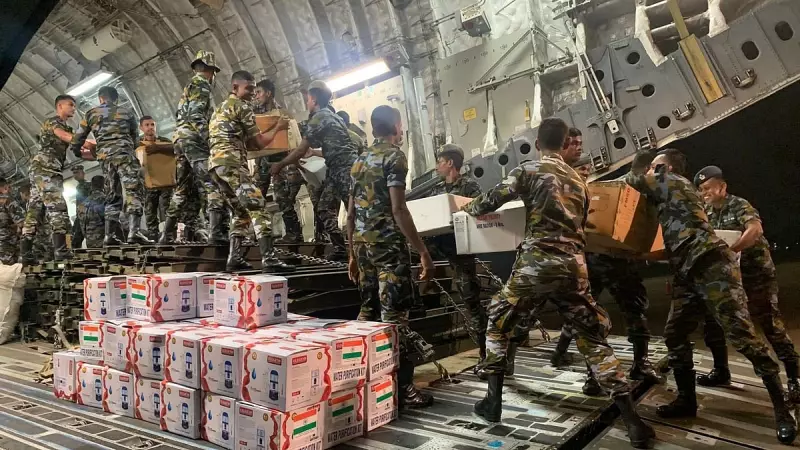
The Indian Air Force played a pivotal role in this mission. A giant C-17 Globemaster III military transport aircraft was deployed to carry the crucial aid. The centerpiece of this consignment is a Bailey Bridge, a portable, pre-fabricated truss bridge designed for rapid deployment. This engineering solution is vital for reconnecting communities that have been cut off due to landslides and widespread flooding, which destroyed roads and bridges.
Alongside the bridge, the aircraft transported 500 water purification units. These units are a critical intervention to prevent water-borne diseases in the aftermath of the cyclone, ensuring safe drinking water for thousands of displaced and affected citizens. The official handle of the High Commission of India in Sri Lanka, @IndiainSL, announced the move on social media platform X, highlighting the effort to restore hope under #OperationSagarBandhu.

The Scale of the Disaster in Sri Lanka
Cyclone Ditwah triggered a cascade of destruction across Sri Lanka. The nation has been grappling with:
- Widespread flooding submerging homes and agricultural land.
- Deadly landslides causing further displacement and damage.
- Severe collapse of key infrastructure, isolating entire villages and hampering rescue efforts.
This rapid deterioration of the situation created an urgent need for external assistance to supplement national disaster response efforts.
India's Digital Toolkit for Disaster Management
Beyond the physical aid, India's support package also includes sharing a digital disaster-response toolkit. This initiative reflects a broader strategy of capacity building and knowledge sharing. The toolkit likely contains software, protocols, and best practices developed by India for effective disaster management, early warning systems, and coordination, which could help Sri Lankan authorities in both immediate response and long-term resilience planning.
This timely assistance underscores the strong bilateral ties and the "Neighbourhood First" policy of the Indian government. It demonstrates India's commitment to acting as a first responder in crises within the South Asian region, providing not just material aid but also technical expertise to foster recovery and stability.