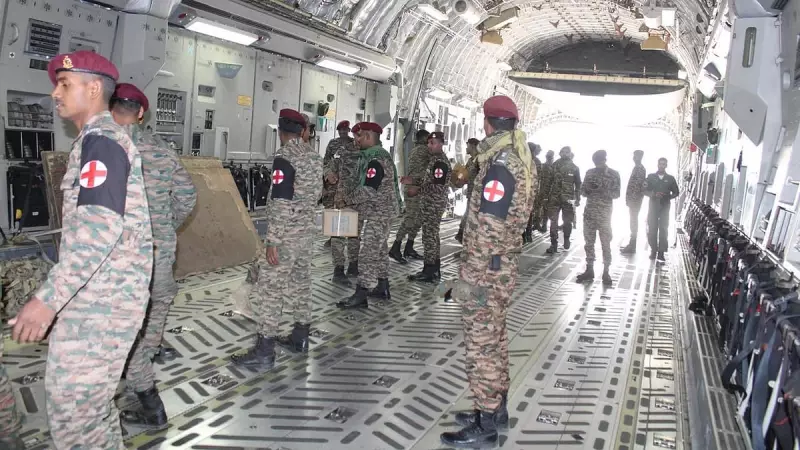
In a swift humanitarian response, India has dispatched critical medical aid to its island neighbour, Sri Lanka, which is reeling from the devastating impact of a severe cyclone. The assistance includes a fully-equipped mobile field hospital and a team of more than 70 medical professionals to bolster the country's strained disaster-response capabilities.
Neighbourly Aid in a Time of Crisis
The relief mission was launched as Sri Lanka grapples with the catastrophic aftermath of the cyclone, which has triggered widespread flooding and destructive landslides across several districts. The severe weather has led to a collapse of critical infrastructure, leaving numerous areas completely isolated and cut off from essential services. This has placed an unprecedented burden on Sri Lanka's own capacity to manage the disaster and provide timely aid to affected citizens.
Composition of the Indian Medical Contingent
The Indian aid package is strategically designed to provide immediate, on-ground medical support. The centerpiece is a mobile field hospital, a self-contained medical facility capable of operating in remote and damaged areas where local hospitals may be inaccessible or non-functional. This unit is staffed by over 70 trained medical personnel, including doctors, surgeons, nurses, and paramedics, who are equipped to handle a wide range of emergencies from trauma injuries to water-borne diseases that often follow such natural calamities.

The deployment underscores India's commitment to its 'Neighbourhood First' policy, acting as a first responder in regional crises. The assistance aims to fill a critical gap in Sri Lanka's disaster-response mechanism, which has been severely tested by the scale of the destruction.
Assessing the Damage and the Road Ahead
The situation on the ground remains dire. Reports indicate that several districts are marooned due to flooding, with landslides blocking key transportation routes. The collapse of infrastructure has hampered rescue and relief operations, making external aid vital. The Indian medical team's primary objectives will be to:
- Provide emergency medical care to the injured.
- Set up the mobile hospital in a severely affected zone to serve as a medical hub.
- Prevent the outbreak of epidemics by offering treatment and guidance.
- Support the local health authorities who are overwhelmed by the scale of the disaster.
This initiative, reported on 03 December 2025, highlights the ongoing challenges Sri Lanka faces and the importance of international cooperation in disaster management. As the waters recede, the focus will shift to long-term rehabilitation, but for now, the priority remains saving lives and alleviating immediate suffering, a task where India's timely intervention is expected to play a crucial role.