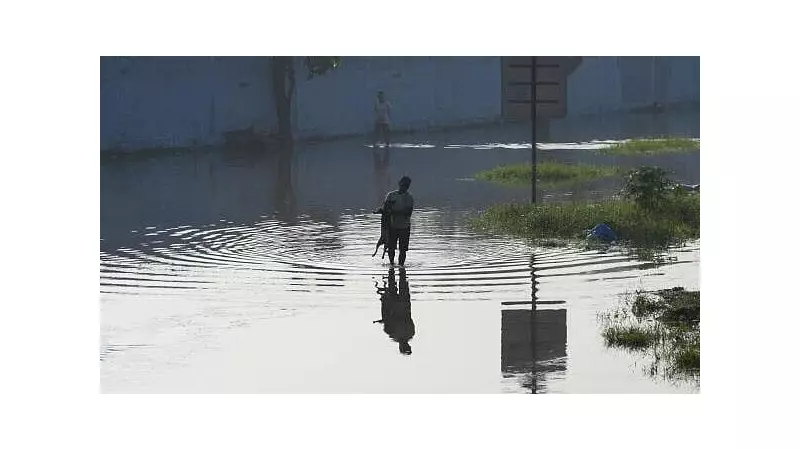
In a swift humanitarian response, India has delivered a substantial new consignment of emergency relief materials to neighbouring Sri Lanka, which is grappling with severe floods. The aid package, focused on restoring critical infrastructure and medical services, includes advanced mobile medical units and heavy engineering equipment to reconnect isolated communities.
Mobile Hospitals and Bridge Engineers Deployed
The cornerstone of the medical aid is the deployment of BHISHM Arogya Maitri cubes. These portable, technologically advanced medical centres have been established in the worst-hit areas to provide immediate healthcare to affected populations. The cubes are part of India's broader disaster management arsenal and are designed for rapid deployment in crisis zones.
Simultaneously, a massive engineering effort is underway. India airlifted 248 tonnes of Bailey Bridge components to Sri Lanka. This crucial shipment was accompanied by 48 engineers from India, whose expertise will be vital in assembling these bridges to restore washed-away road links. The Bailey Bridge system is renowned for its quick assembly and strength, making it ideal for emergency connectivity restoration.

A Timely Response to a Calamity
The relief material was delivered as Sri Lanka faces significant disruption from the ongoing floods. The establishment of medical centres and the immediate dispatch of bridge-building resources underscore the operational readiness and depth of India's disaster response capabilities. This initiative, reported on 17 December 2025, highlights the continued cooperation between the two nations during times of crisis.
Strengthening Neighbourly Bonds Through Aid
This substantial aid delivery goes beyond immediate disaster relief; it reinforces the strong bilateral ties between India and Sri Lanka. By providing specialized equipment like the BHISHM cubes and the technical manpower to rebuild infrastructure, India is addressing both the health and logistical crises triggered by the floods. The move is seen as a concrete manifestation of India's 'Neighbourhood First' policy, emphasizing solidarity and support for regional partners in distress.
The comprehensive nature of the aid—combining immediate medical care with long-term connectivity solutions—demonstrates a strategic approach to disaster management. It ensures that affected regions can not only receive emergency treatment but also begin the process of economic and social recovery by re-establishing vital transport corridors.