

India Bolsters Naval Forces in Gulf of Oman to Secure Vital Energy Corridors
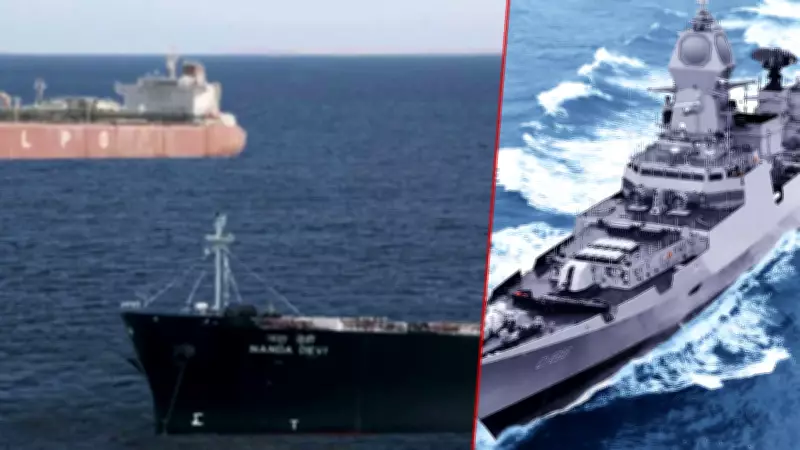
In a decisive response to escalating instability in West Asia, India has dramatically enhanced its naval footprint in the Gulf of Oman. The primary objective is to safeguard the nation's crucial fuel supply lines that traverse the strategically significant Strait of Hormuz, a global oil artery of immense importance. This proactive deployment underscores India's unwavering commitment to protecting its maritime interests and ensuring energy security for its 1.4 billion citizens.
Escalating Regional Tensions Prompt Strategic Naval Escort Operations
The decision to increase naval presence comes against a backdrop of surging tensions, directly linked to recent military strikes by the United States and Israel targeting Iran. These actions have severely disrupted shipping activities across the region, creating a perilous environment for commercial vessels. Government sources confirm that New Delhi is actively coordinating efforts to guarantee the safe passage of Indian-flagged ships, many of which have been stranded near this critical maritime chokepoint.
The Indian Navy has now escalated its deployments to as many as seven frontline warships. These vessels are undertaking active escort missions for vulnerable tankers and conducting intensive surveillance of high-risk zones. This robust naval posture is a clear demonstration of India's capability and resolve to defend its economic lifelines in international waters.

Securing the Strait: A Priority for National Energy Security
The Strait of Hormuz is a narrow passage connecting the Persian Gulf with the Gulf of Oman and the Arabian Sea. It is arguably the world's most important oil transit corridor, with approximately one-fifth of global oil consumption passing through it daily. For India, a nation heavily reliant on imported energy, the security of this route is non-negotiable. Any prolonged disruption could have severe repercussions for the economy and the daily lives of millions.
This naval surge represents an urgent and calculated push by the Indian government. It is a multifaceted strategy aimed not only at immediate vessel protection but also at asserting India's role as a responsible maritime power committed to regional stability. The move sends a strong signal about India's preparedness to counter threats to its sovereign interests, even in complex geopolitical theaters.
Coordinated Response Amidst Global Geopolitical Shifts
The deployment occurs within a broader context of shifting global alliances and trade dynamics, as highlighted by recent discussions involving India's energy purchases and international relations. While ensuring the physical safety of ships is the immediate goal, the operation is deeply intertwined with larger diplomatic and economic strategies. By securing its energy routes, India reinforces its position on the world stage, emphasizing that the welfare and security of its population remain the supreme priority, regardless of external pressures.
In conclusion, India's decision to station a formidable naval task force near the Strait of Hormuz is a testament to its growing strategic autonomy and its proactive approach to national security. As tensions in West Asia show no signs of abating, this deployment will be crucial in mitigating risks and ensuring the uninterrupted flow of energy resources vital for the nation's continued growth and stability.






