India Delivers Sharp Rebuttal to Pakistan at UN Human Rights Council
In a forceful diplomatic response, India on Thursday condemned Pakistan at the United Nations Human Rights Council (UNHRC), stating that Islamabad must be residing in "La-La land" if it struggles to accept the reality of Jammu and Kashmir's developmental progress. The remarks came during the 55th Regular Session of the UNHRC in Geneva, where India exercised its Right to Reply to address what it termed as baseless allegations from Pakistan and the Organisation of Islamic Cooperation (OIC).
Rejection of Allegations and Assertion of Sovereignty
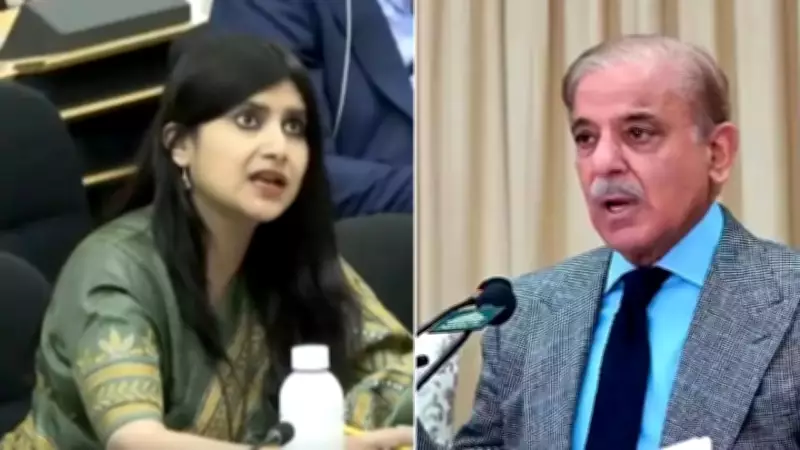
First Secretary Anupama Singh, representing India, categorically rejected the accusations made by Pakistan and the OIC, describing the latter as an "echo chamber" for a single member state. She emphasized that India felt compelled to respond due to the persistent nature of these claims, which she said "reek of envy."
"We have no desire to dignify it, but we will make a few points to dismantle it with facts," Singh declared, setting the tone for a detailed rebuttal grounded in historical and legal arguments.

Reiterating New Delhi's unwavering stance, Singh asserted, "Jammu and Kashmir was, is, and will always remain an integral and inalienable part of India." She elaborated that no amount of rhetoric or propaganda from Pakistan could alter the legal and irrevocable accession of the region to India, which she said was in full compliance with the Indian Independence Act of 1947 and international law.
Highlighting Development and Economic Progress
Singh pointed to tangible infrastructure achievements in Jammu and Kashmir to counter Pakistan's narrative. She specifically mentioned the Chenab Rail Bridge, inaugurated last year as the world's highest railway bridge, located in the region. "If the Chenab Rail Bridge is considered fake, then Pakistan must be living in 'La-La' land," she stated, challenging the credibility of Islamabad's skepticism.
Further underscoring the economic advancements, Singh noted that the developmental budget allocated to Jammu and Kashmir exceeds double the amount of the recent bailout package Pakistan sought from the International Monetary Fund (IMF). This comparison was used to illustrate the disparity in priorities and governance between the two nations.
Criticism of Pakistan's Internal Affairs
The Indian diplomat did not shy away from addressing Pakistan's domestic challenges. She remarked that it was "hard to take lectures on democracy from a country where civilian governments rarely complete their terms," highlighting political instability in Pakistan as a contrast to the democratic processes in Jammu and Kashmir.
Singh cited voter turnout in recent general and assembly elections in Jammu and Kashmir as evidence that the people have rejected terrorism and violence, instead embracing the path of development. She accused Pakistan of attempting to destabilize the region through "relentless state-sponsored terrorism," while affirming that Jammu and Kashmir continues to make significant political, economic, and social strides.
Call for Pakistan to Focus on Internal Crisis
In a concluding admonition, Singh urged Pakistan to concentrate on resolving its deepening internal crises rather than engaging in what she described as grandstanding at international platforms. "The world can certainly see through its charade," she added, implying that such tactics are transparent and ineffective.
This exchange represents the latest episode in the ongoing diplomatic confrontations between India and Pakistan at multilateral forums like the UNHRC, centered on the contentious issue of Jammu and Kashmir. The session underscored the persistent tensions and the strategic use of international platforms to advance national narratives and counter opposing viewpoints.